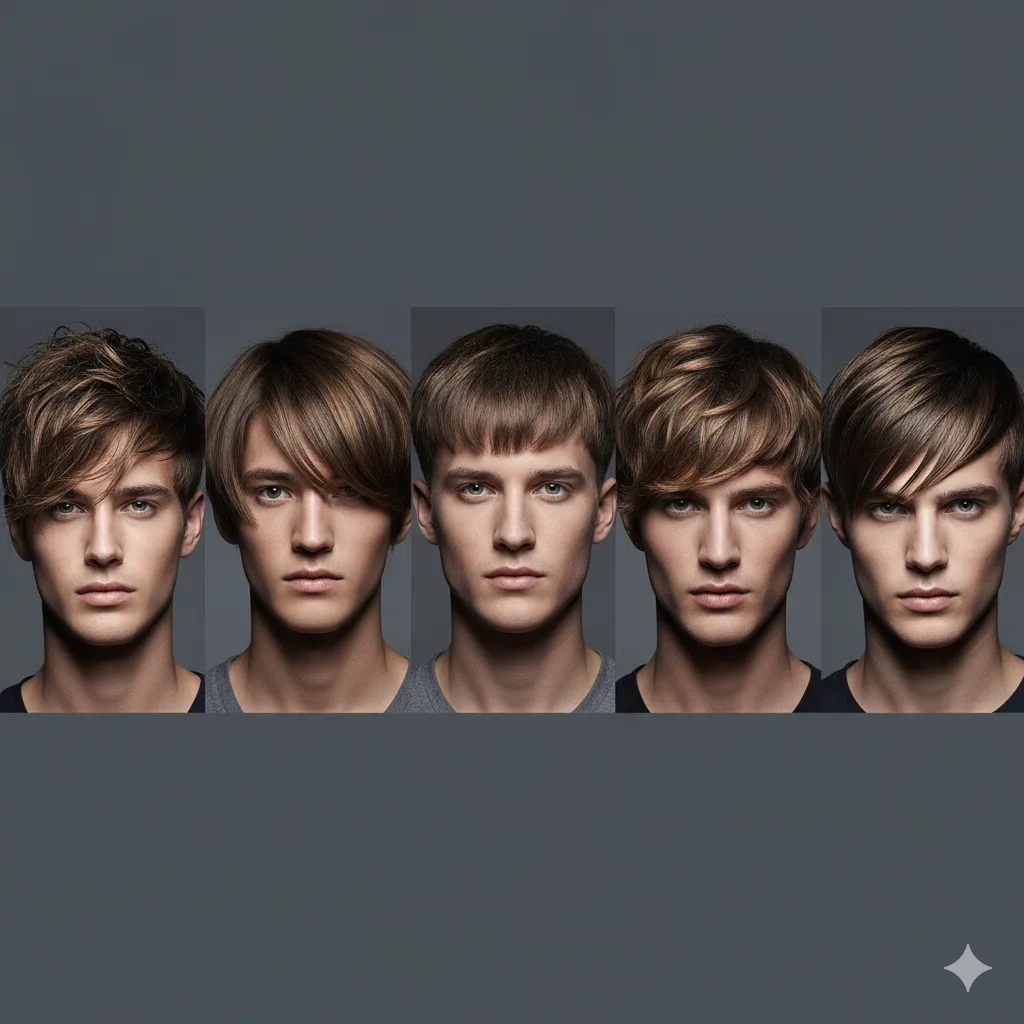
A fringe haircut is any cut where the hair at the front is brought forward over the forehead instead of being pushed back. It is one of the easiest modern looks to wear, it hides a high or receding hairline, and it works on straight, wavy and curly hair. This guide explains what a fringe haircut is, the 10 best fringe styles for men, which suits your face and hair, how to ask your barber and how to style it.
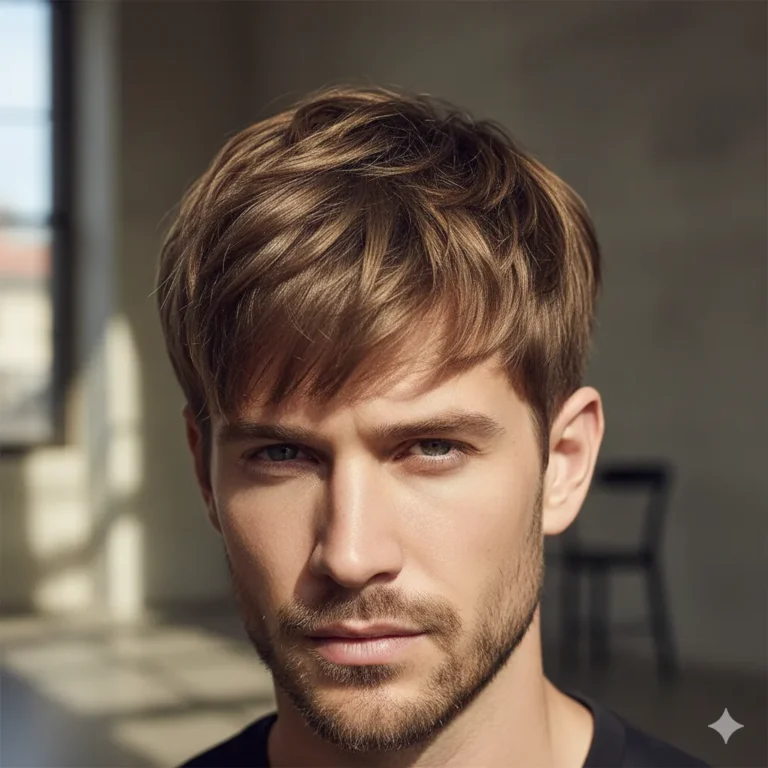
Quick answer: a men’s fringe haircut keeps the front hair longer and styled forward, usually with shorter sides (a fade, taper or undercut). The most popular version is the textured fringe: 2 to 3 inches on top, cut choppy so it breaks up naturally, with a low or mid fade. Style it with a small amount of matte clay on towel-dried hair, using your fingers rather than a comb.
What Is a Fringe Haircut for Men?
“Fringe” (or “bangs” in American English) is the hair that falls over the forehead. In a fringe haircut, the top is cut so the front sits forward, either straight down, angled to one side or parted in the middle. That is the opposite of pushed-back styles like the pompadour, quiff or slick back.
| Fringe length | Where it sits | Example styles |
|---|---|---|
| Short (1 to 2 in) | Upper forehead | French crop, textured crop, crew cut fringe |
| Medium (2 to 4 in) | Mid forehead to eyebrows | Textured fringe, messy fringe, angular fringe |
| Long (4 in+) | Eyebrows and below, often parted | Curtain fringe, long fringe, undercut fringe |
Who Suits a Fringe?
- High or receding hairlines: a forward fringe covers the forehead and temples. See haircuts for receding hairlines.
- Long or oblong faces: a fringe shortens the face visually.
- Round faces: choose an angular or textured fringe with some height, not a flat, heavy one.
- Square faces: a soft, messy fringe softens a strong jaw.
- Fine hair: a short textured fringe looks fuller than long, flat hair. See French crop for thin hair.
10 Best Fringe Haircuts for Men
1. Textured Fringe
Fringe length: 2 to 3 inches. Best for: most hair types, low maintenance.
Choppy, point-cut layers on top that break up into a natural, slightly messy fringe. It is the easiest fringe to wear and pairs with almost any fade. Ask for “point cut on top, keep it choppy, about 2.5 inches at the front.”
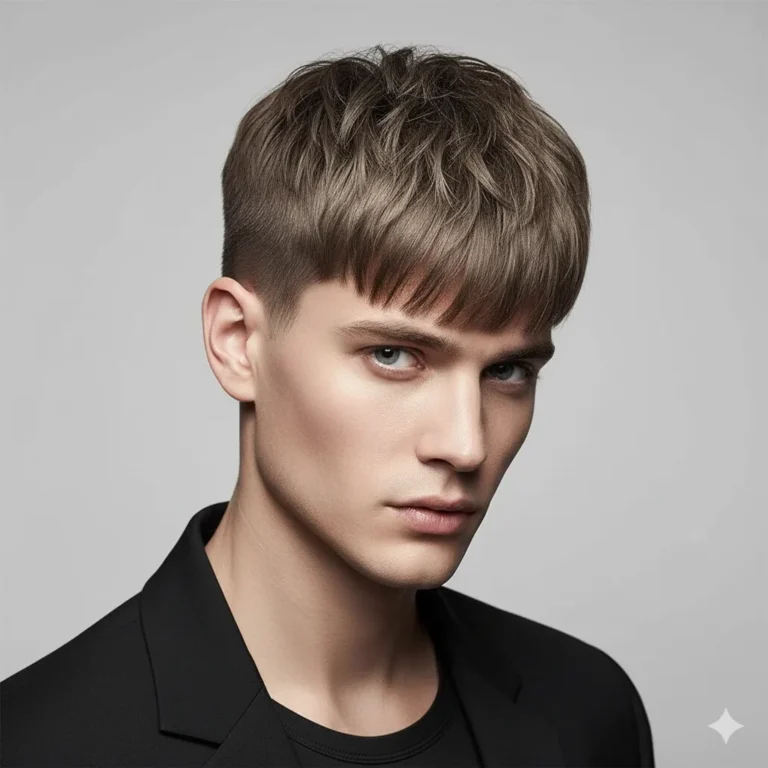
2. Messy Fringe
Fringe length: 3 to 4 inches. Best for: thick or wavy hair, casual style.
A longer, looser version styled with your fingers for a lived-in look. Matte clay or sea salt spray gives separation without shine.

3. French Crop Fringe
Fringe length: 1 to 2 inches, cut straight or slightly textured. Best for: receding hairlines, very low maintenance.
A short, forward fringe with short sides, usually a fade. It is the classic choice for hiding a receding hairline. Read our textured crop and French crop guide and how to style a French crop.
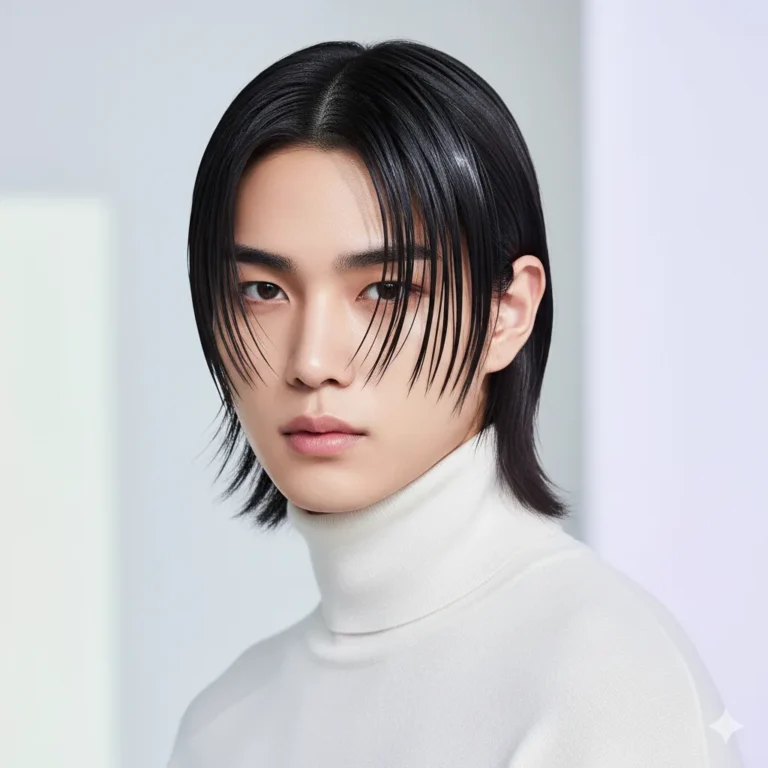
4. Curtain Fringe
Fringe length: to the eyebrows or cheekbones, parted. Best for: straight or wavy medium-length hair, oval and long faces.
A middle or slightly off-centre part with the fringe falling to both sides, popularised by Korean styling. It needs medium length on top and a little blow-drying to sit right. See medium and long haircuts.
5. Angular (Diagonal) Fringe
Fringe length: 3 to 4 inches, cut on an angle. Best for: round faces, thick straight hair.
The fringe is cut diagonally so it sweeps across the forehead. The angle adds definition and makes a round face look longer. It pairs well with an undercut or a mid fade.
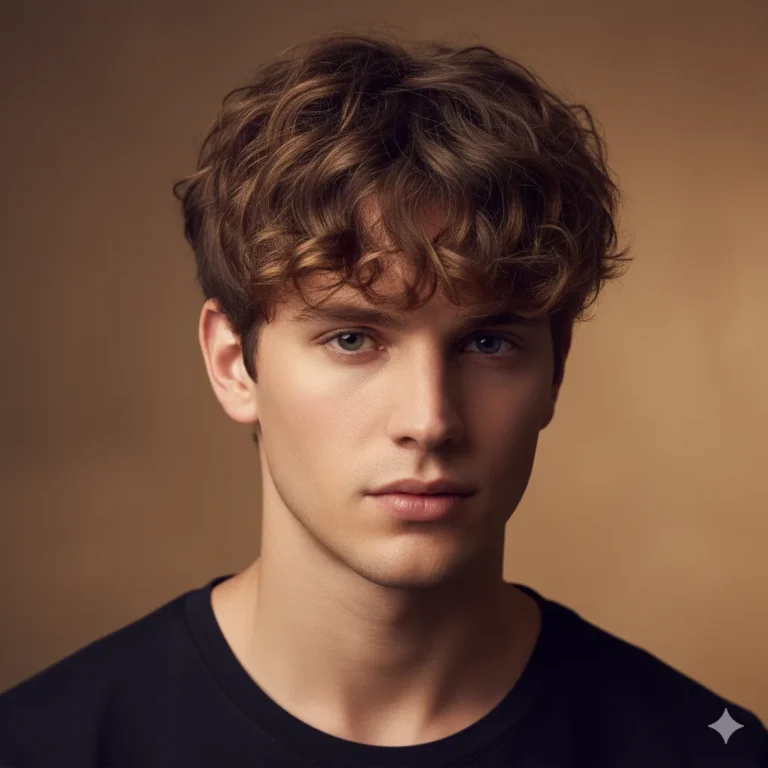
6. Curly or Wavy Fringe
Fringe length: 2 to 4 inches (dry). Best for: curly and wavy hair.
The natural curl or wave forms the fringe, with shorter sides to keep the shape neat. Ask for the top to be cut or checked dry and finish with curl cream. More ideas in our curly and wavy haircuts guide.
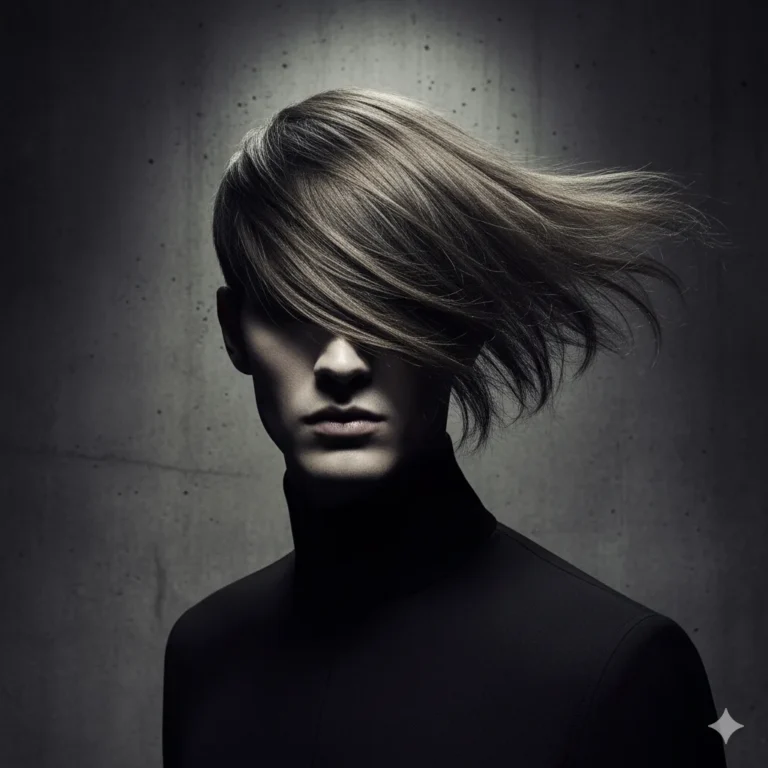
7. Long Fringe
Fringe length: 4 inches and longer. Best for: straight or wavy, medium to thick hair.
A longer, more editorial fringe that falls to the eyebrows or below. It needs regular trims so it doesn’t fall into your eyes.
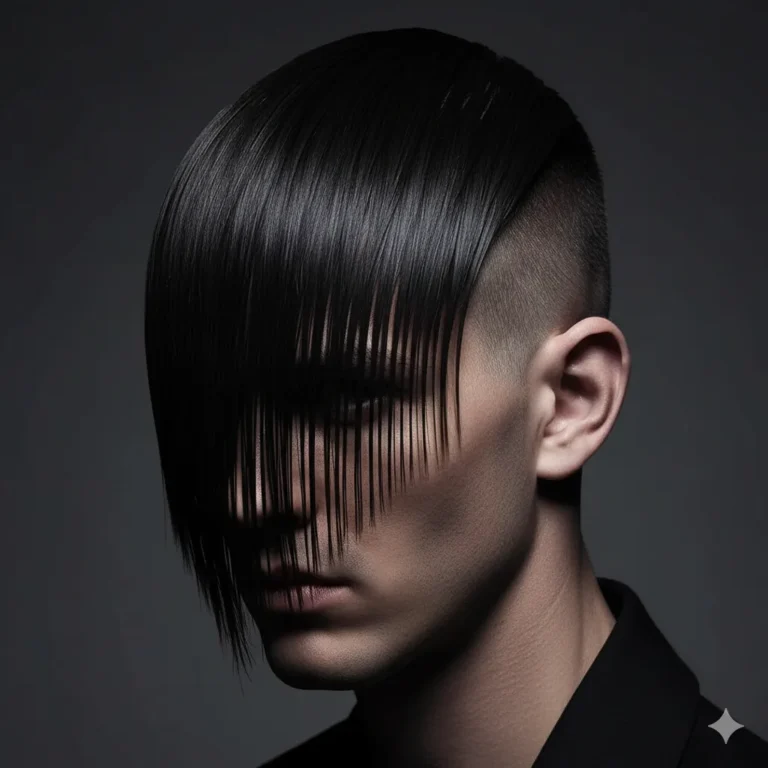
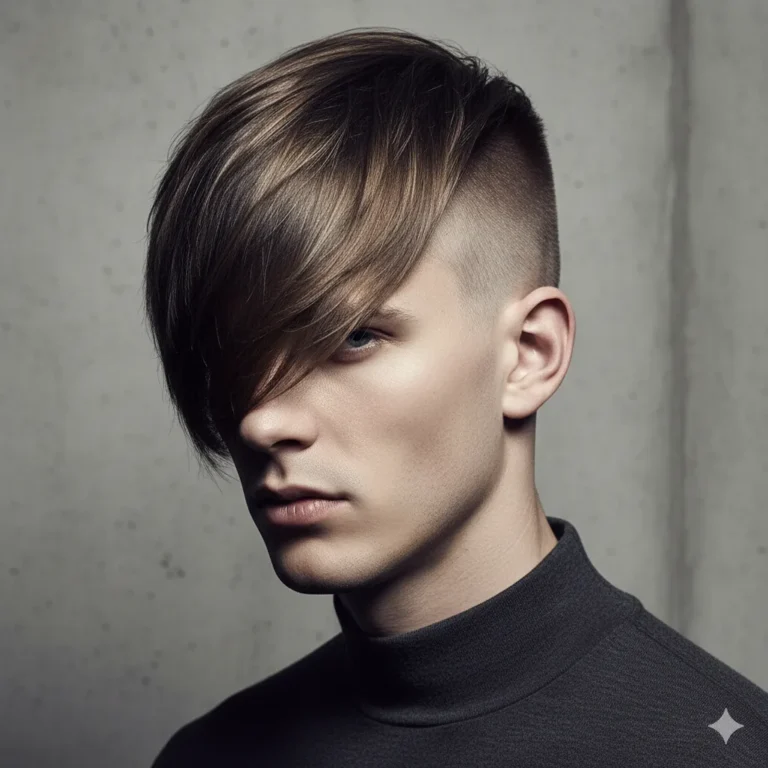
8. Undercut Fringe
Fringe length: 3 to 5 inches. Best for: thick hair, bold looks.
Very short, disconnected sides with a long fringe on top. It gives the strongest contrast of any fringe style. See our undercut hairstyles guide.
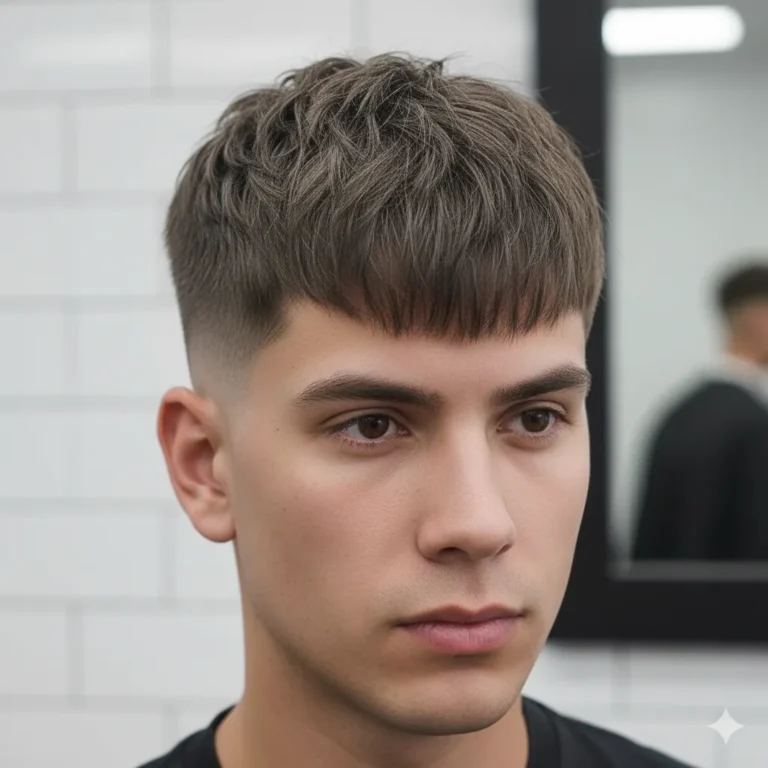
9. Fade With a Fringe
Fringe length: 1.5 to 3 inches. Best for: modern, tidy looks.
A low, mid or high fade with a forward fringe on top. A low fade is more conservative; a high or skin fade gives a sharper contrast. Compare them in low vs mid vs high fade.
10. Crew Cut With a Short Fringe
Fringe length: 1 to 1.5 inches. Best for: minimal styling, thick hair.
A short crew cut where the front is left slightly longer and pushed forward. The lowest-maintenance fringe on this list. See buzz cut and crew cut styles.
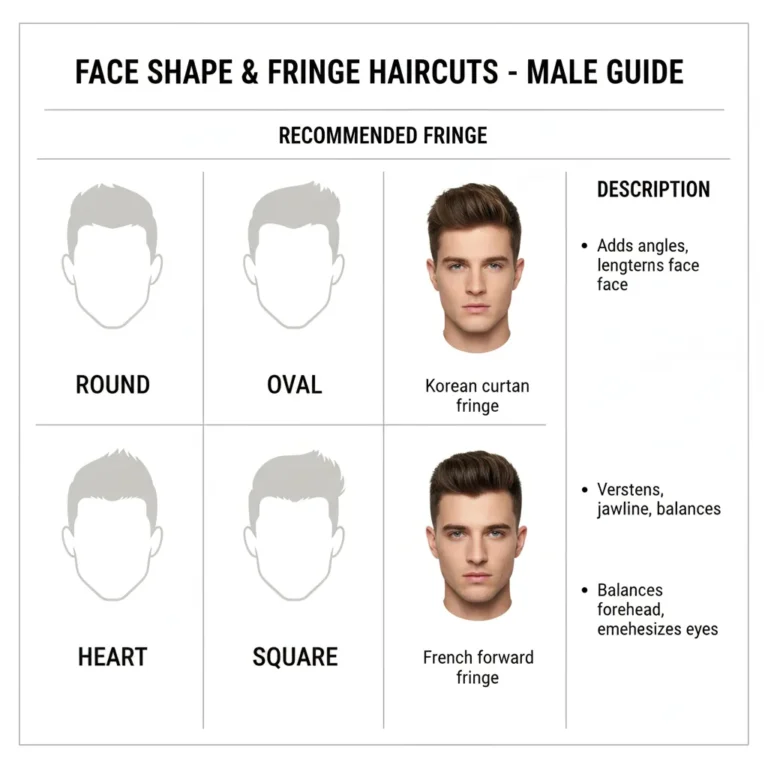
Best Fringe for Your Face Shape
| Face shape | Best fringe | Avoid |
|---|---|---|
| Round | Angular or textured fringe with some height | Flat, heavy, straight-across fringes |
| Square | Soft messy or textured fringe | Very blunt lines |
| Oval | Any fringe | Nothing in particular |
| Long / oblong | French crop or textured fringe that covers the forehead | Tall, swept-up styles |
| Heart | Curtain or side-swept fringe | Very short fringes that expose a wide forehead |
| Diamond | Textured fringe | Very short sides with no length on top |
See our full haircuts by face shape guide.

How to Ask Your Barber for a Fringe
- Fringe length: say where it should sit (upper forehead, eyebrows) or give inches.
- Texture: blunt and neat, or point-cut and choppy.
- Direction: straight forward, angled to one side, or parted in the middle.
- Sides: low, mid or high fade, taper or undercut, with the guard number if you know it.
Example script: “Textured fringe, about 2.5 inches at the front so it sits mid-forehead, choppy rather than blunt. Low fade on the sides with a #2 at the top of the fade.”
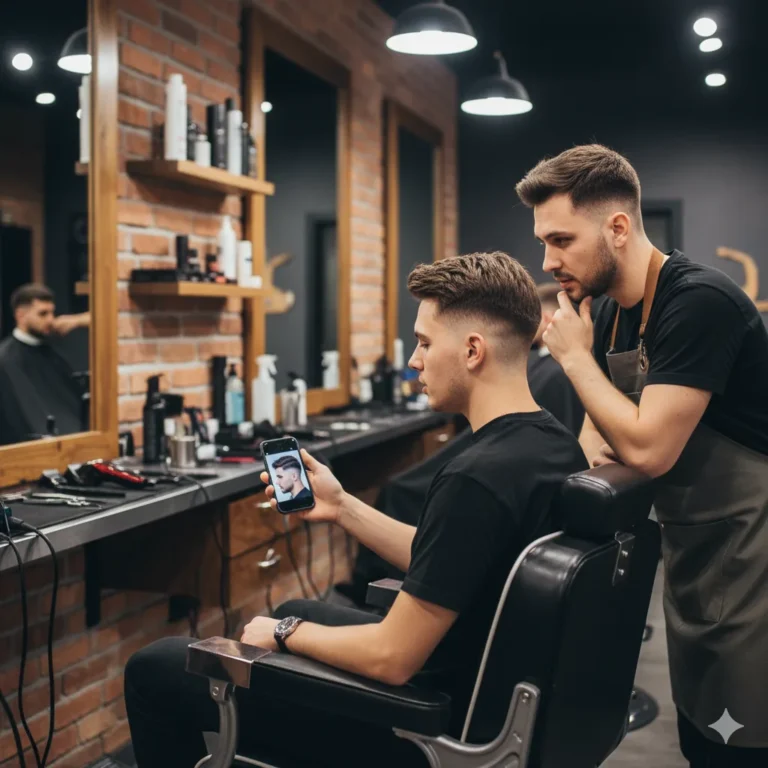
Bring photos of the fringe on hair like yours. More help: how to ask your barber and the barber instruction generator.
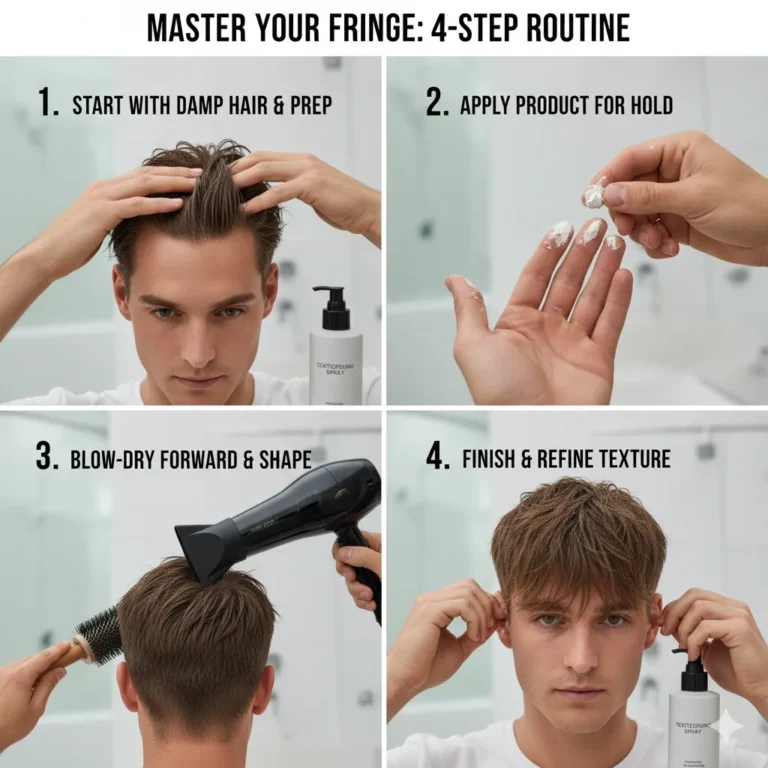
How to Style a Fringe (2 Minutes)
- Towel-dry until the hair is damp, not wet.
- Optional pre-styler: a spray of sea salt for volume, especially on fine hair.
- Blow-dry forward on low heat, using your fingers to point the fringe where you want it.
- Apply a small amount of product (fingertip-sized) to dry hair, working from the back to the front.
- Shape the fringe with your fingertips, pinching small sections for texture. Avoid combing it flat.
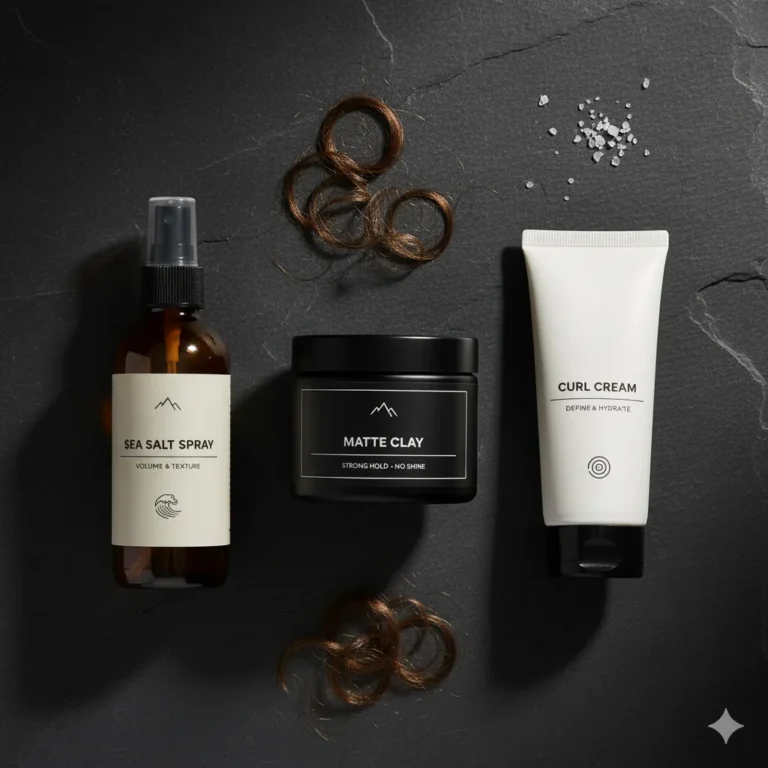
| Product | Best for |
|---|---|
| Matte clay | Textured, messy and angular fringes |
| Sea salt spray | Volume on fine or straight hair |
| Matte paste or cream | Softer, natural fringes and curtains |
| Curl cream | Curly and wavy fringes |
Fringe Mistakes to Avoid
- Cutting the fringe too short at home; it shrinks as it dries.
- Using shiny gel or heavy pomade, which makes a fringe look greasy and flat.
- Combing it flat against the forehead instead of adding texture.
- Leaving trims too long: a fringe falls into the eyes quickly. Trim every 3 to 5 weeks.
Fringe Haircut FAQ
What is a fringe haircut for men?
A haircut where the front of the hair is kept longer and styled forward over the forehead, usually with shorter sides.
Does a fringe suit a receding hairline?
Yes. A short textured or French crop fringe covers the temples and forehead well.
How long should a fringe be?
1 to 2 inches for a short French crop fringe, 2 to 3 inches for a textured fringe, and 4 inches or more for curtain or long fringes.
What is the difference between a fringe and a French crop?
A French crop is one type of fringe haircut: short, with a forward fringe and short sides. “Fringe” covers every style where the front falls forward.
What product is best for a fringe?
Matte clay for texture, sea salt spray for volume and curl cream for curly hair. Avoid shiny gels.
How often should I trim my fringe?
Every 3 to 5 weeks to keep it out of your eyes and holding its shape.