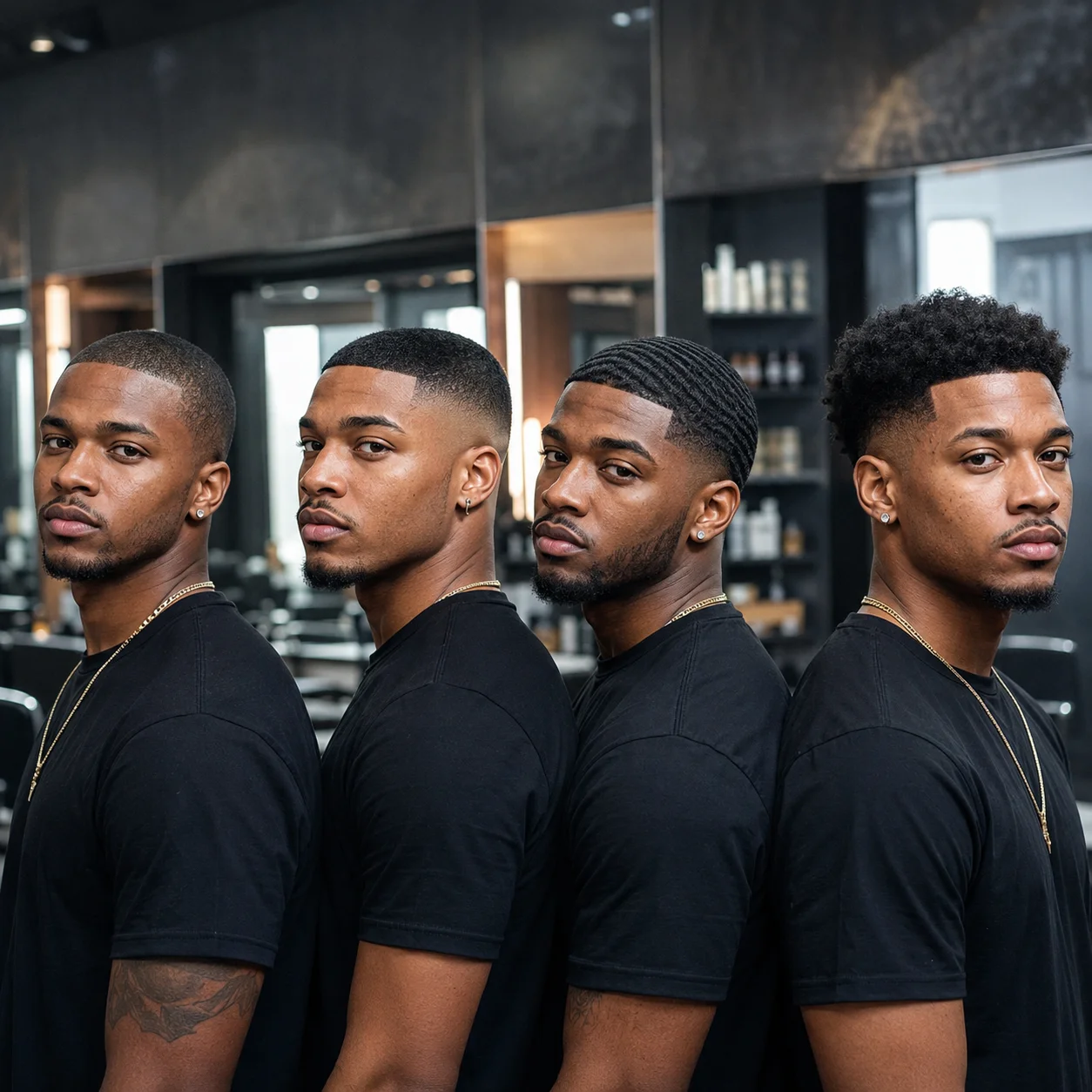
If there’s one word you’ll hear in every barbershop in the world, it’s taper.
The taper haircut is the foundation of modern men’s grooming. It’s the base on which nearly every popular style is built — from a classic crew cut to a bold pompadour to a sharp comb over. And yet, most men don’t fully understand what a taper actually is, how it differs from a fade, or which variation suits them best.
This guide fixes that.
We cover every taper haircut variation for men in 2026 — what each one looks like, who it suits, how to ask for it, and how to style it. Whether you’re walking into a barbershop for the first time or you’ve been getting tapers for years, this is the only guide you need.
What Is a Taper Haircut?
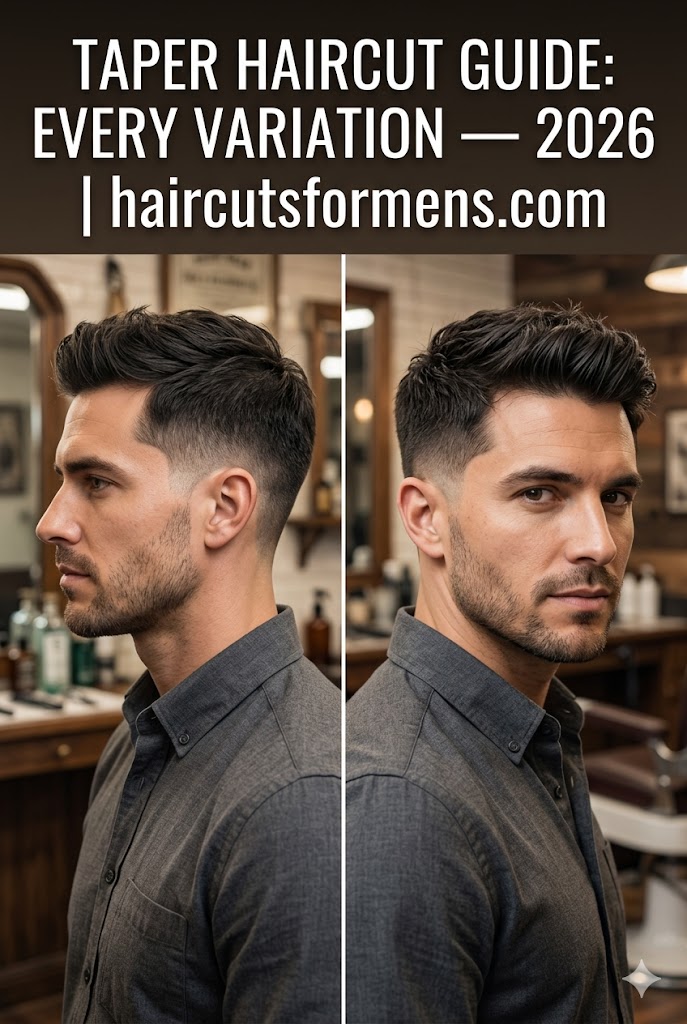
A taper haircut is a style where the hair gradually gets shorter as it moves from the top of the head down toward the neck and ears — without necessarily going all the way down to bare skin.
The word “taper” literally means to gradually reduce in size. In barbering, it refers to the technique of blending hair from one length to a shorter length in a smooth, seamless transition.
Key characteristics of a taper:
- Hair is longest on top
- Gradually shortens along the sides and back
- Ends at the natural hairline (not necessarily shaved to skin)
- Creates a clean, structured silhouette
Tapers are one of the most versatile cuts in barbering — they work with virtually every hair type, face shape, lifestyle, and dress code.
Taper vs Fade: What’s the Difference?
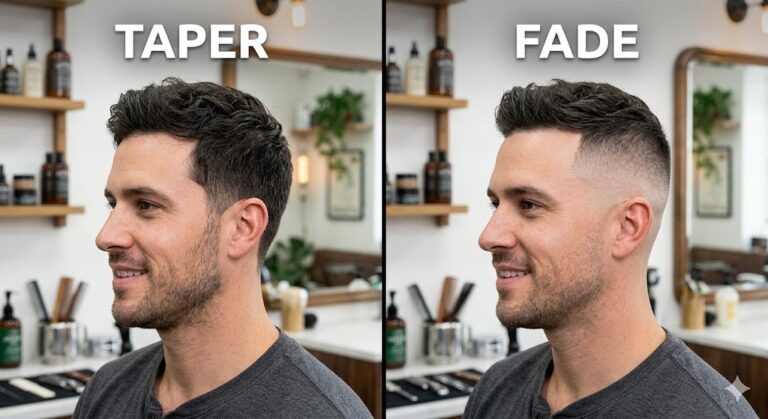
This is the most common question men ask when researching haircuts — and the answer is simpler than most guides make it.
A taper is a gradual shortening of hair that ends at the natural hairline. The transition is subtle and the shortest point still has some hair.
A fade is a more dramatic version of the same concept — where the hair blends all the way down to the skin (bare or near-bare). A fade is essentially an extreme taper.
Think of it this way:
| Feature | Taper Fade | Skin Fade |
|---|---|---|
| Transition | Gradual, subtle | Dramatic, high contrast |
| Shortest Point | Short but still has hair | Skin or near-skin |
| Look | Classic, conservative | Bold, modern |
| Maintenance | Every 3–5 weeks | Every 2–3 weeks |
| Best For | Office, formal settings | Barbershop culture, bold style |
The bottom line: all fades are tapers, but not all tapers are fades. A taper is the broader category; a fade is the extreme end of it.
The Main Types of Taper Haircuts
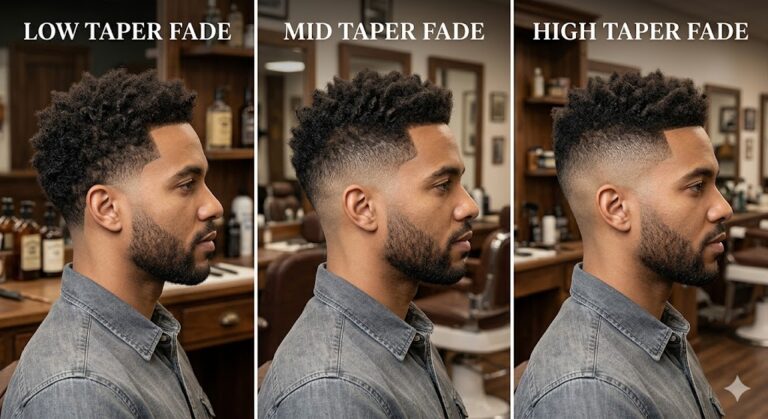
1. Low Taper
What it is: The taper begins just above the ears and neckline — the lowest possible starting point. The transition is subtle, conservative, and barely noticeable unless you’re looking closely.
Who it’s for:
- Men in professional or corporate environments
- Men who prefer a more natural, understated look
- Men with longer hair on top who want minimal contrast
- Men with receding hairlines (low taper keeps the focus off the temples)
Best paired with: Slick back, comb over, side part, natural wave styles, long quiff
Barber tip: “Can I get a low taper — just clean up the sides and back, nothing too dramatic. Keep it natural-looking.”

2. Mid Taper
What it is: The taper starts around the temples — the midpoint of the head. It creates more contrast than a low taper but remains versatile and wearable in most settings.
Who it’s for:
- Most men — this is the most universally flattering taper variation
- Men who want a modern look without going too bold
- Works across all hair types and most face shapes
Best paired with: Textured crop, quiff, pompadour, comb over, messy top
Barber tip: “Give me a mid taper — starting around the temples — with a [your style] on top.”
3. High Taper
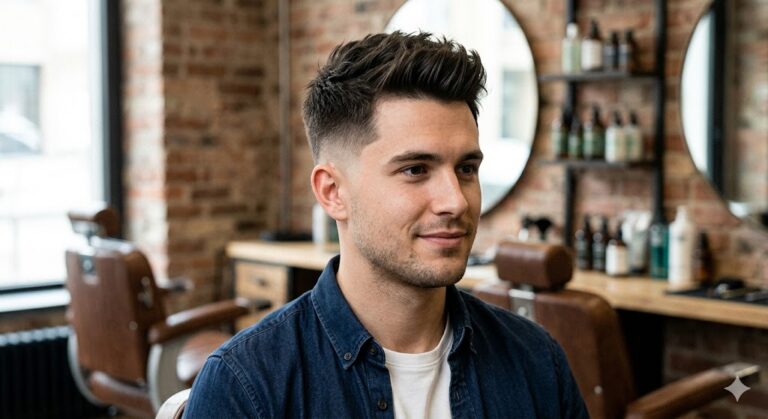
What it is: The taper starts near or above the temples — high on the head. This creates the most contrast of the three standard taper heights and gives the most “sculptured” appearance.
Who it’s for:
- Men who want a bolder, more defined look
- Men with oval or round face shapes (the height adds length to the face)
- Men who like their style to make a statement
Best paired with: Pompadour, high volume quiff, afro, mohawk, fohawk, slick back
Barber tip: “High taper please — start it above the temples. Leave plenty of length on top.”
4. Skin Taper (Bald Taper)
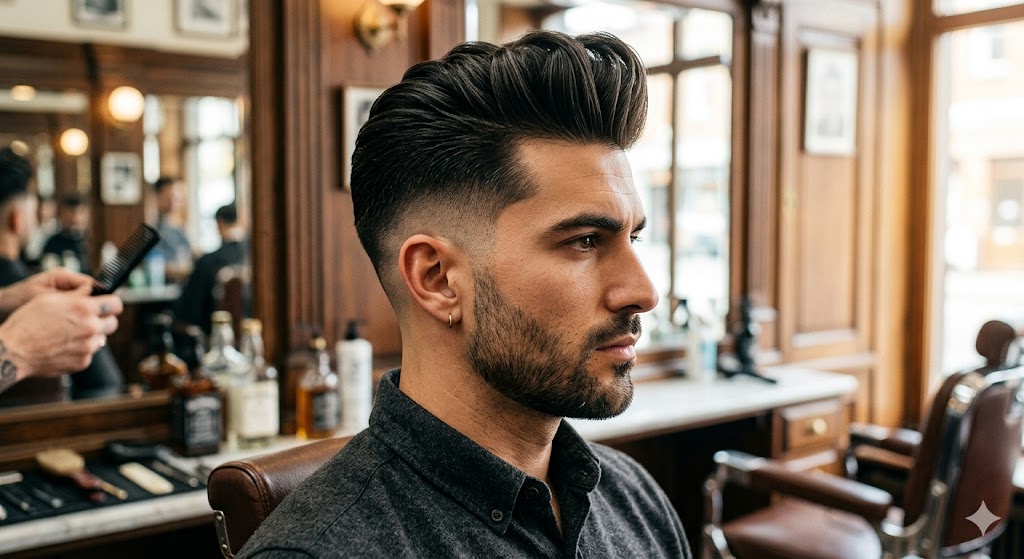
What it is: A taper that goes all the way down to bare skin at the lowest point. The key difference from a standard skin fade is the gradual, longer transition — a skin taper rises higher before reaching full length, whereas a skin fade is a sharper, more abrupt transition.
Who it’s for:
- Men who like the clean look of bare skin but prefer a softer overall silhouette
- Works particularly well for men with coily or afro-textured hair
Best paired with: Afro, twists, textured top, short natural styles
Barber tip: “Skin taper — I want it to go down to the skin but keep the blend gradual, not a sharp fade line.”
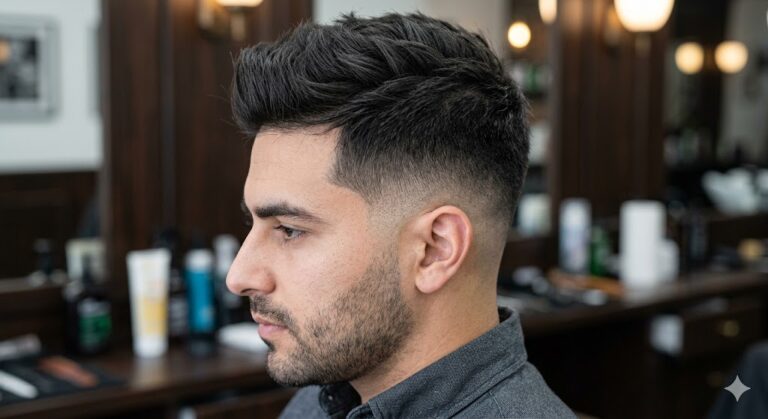
5. Drop Taper
What it is: The taper line “drops” behind the ear, curving downward in a U-shape rather than following a straight horizontal line across the head.
Who it’s for:
- Men who want a more expressive, design-forward taper
- Works especially well with braids, waves, and natural styles where the curved line frames the hair pattern
- Popular in Black barbershop culture
Best paired with: 360 waves, cornrows, afro, short natural styles
Barber tip: “Can you do a drop taper — I want the line to curve down behind my ear.”
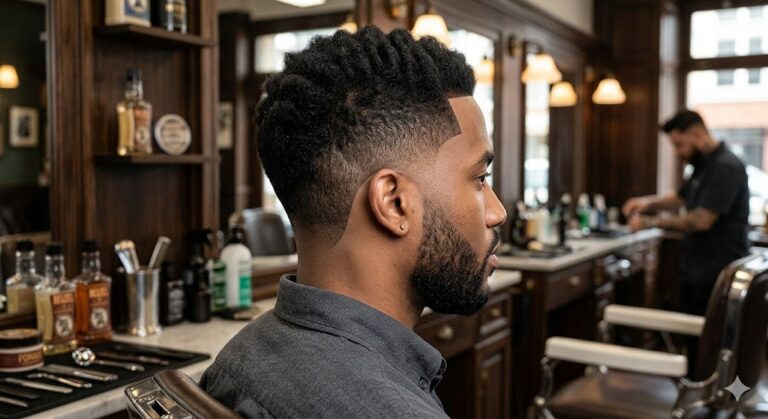
6. Taper Fade
What it is: A hybrid — the gradual transition of a taper combined with the skin-level precision of a fade. The hair shortens gradually like a taper, but it ultimately blends to skin or near-skin. This is one of the most requested styles globally.
Who it’s for:
- Almost everyone — it’s the single most versatile barbershop style
- Great for first-timers who want a modern look without going too bold
Best paired with: Crew cut, comb over, side part, waves, curly top, textured crop
Barber tip: “Low/mid/high taper fade” — specify the height you want.
7. Neck Taper (Neckline Taper)
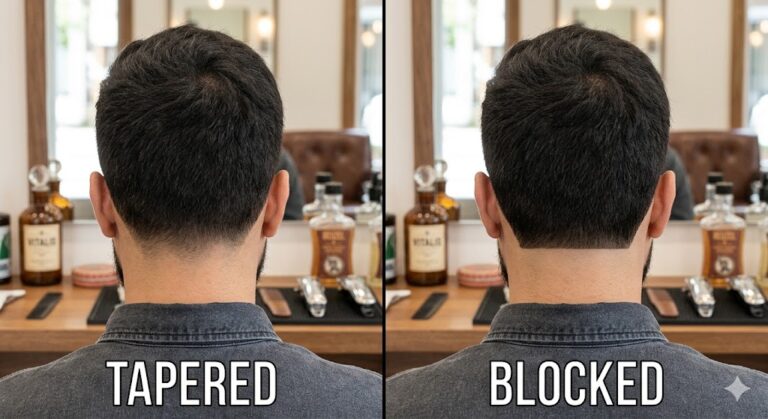
What it is: A focused taper exclusively on the neckline — where the hair at the back of the neck is blended and cleaned up into a natural-looking finish, rather than cut into a hard, blocked neckline.
Who it’s for:
- Men who want a clean neckline that looks natural as it grows out
- Great addition to any haircut — most men should ask for this by default
Two neckline options:
- Tapered neckline — gradual, natural-looking blend into the neck
- Blocked neckline — a hard, straight line across the back
For most men, a tapered neckline looks more natural. A blocked neckline looks sharper immediately after the cut but can look harsh as it grows.
Barber tip: “Can you taper the neckline rather than block it?”
8. Temple Taper (Temple Fade)
What it is: A targeted taper specifically around the temple area — creating a clean transition just at the sides of the forehead without affecting the rest of the sides or back much.
Who it’s for:
- Men who want a subtle cleanup rather than a full taper
- Men with receding hairlines (the temple taper makes recession look intentional)
- Men growing out their hair who want to stay tidy
Barber tip: “Just a temple taper please — clean up around my temples and leave the rest.”
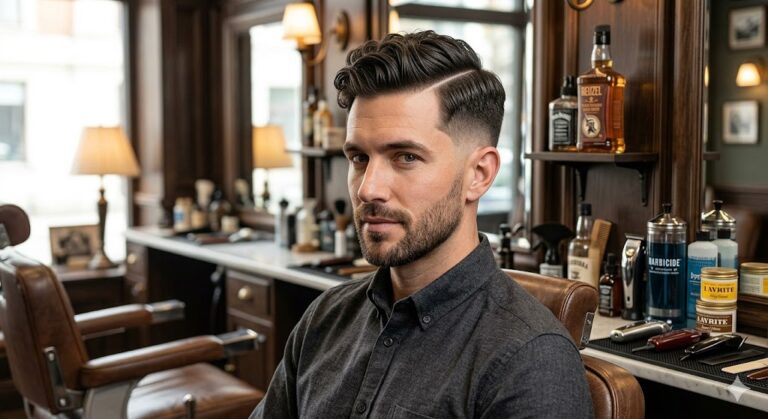
10. Taper with Line Up (Edge Up)
What it is: Any taper style combined with a sharp, geometric edge along the hairline — squaring up the hairline for a clean, defined look.
Who it’s for:
- Men who want maximum definition and a “fresh cut” look that lasts longer visually
- Works with all taper heights
Barber tip: “[Low/mid/high] taper with a line up on the hairline.”
Taper Haircuts by Hair Type
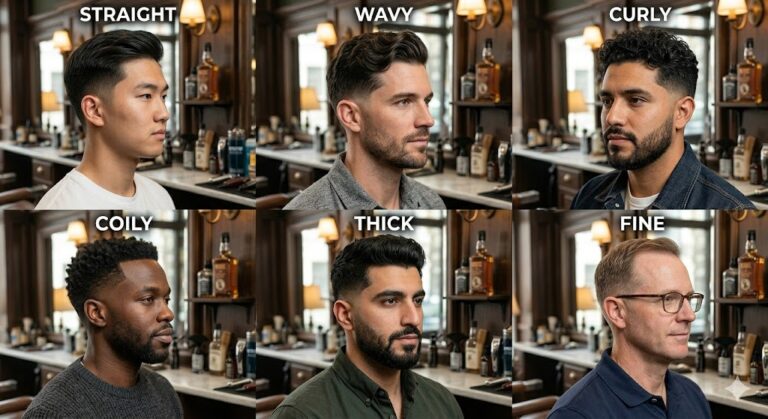
Not every taper works the same on every hair type. Here’s a quick matching guide:
Straight hair: Mid or high taper works best — straight hair shows the blend clearly and cleanly. Great with slick backs, comb overs, and side parts.
Wavy hair: Low or mid taper. Waves add natural volume and movement — the taper keeps it controlled without fighting the texture.
Curly hair: Mid taper or skin taper. Curly hair benefits from a defined transition. Ask your barber to cut the top with the curl pattern, not against it.
Coily / 4C hair: Skin taper or drop taper. The contrast between a clean skin taper and full coils on top looks striking. Temple tapers are also popular.
Thick hair: High taper or skin taper. Thick hair needs more aggressive tapering to reduce bulk. A high taper with scissors on top helps control volume.
Fine / thin hair: Low taper. Aggressive fading makes thin hair look thinner. A low, subtle taper creates structure without exposing thinning.
Taper Haircuts by Face Shape
Oval face: Any taper works — you’re working with the most versatile face shape. Try a high taper with a quiff or pompadour for maximum style.
Round face: High taper to add height and elongate the face. Avoid low tapers, which can emphasize width.
Square face: Low or mid taper. This softens a strong jawline. Avoid hard, sharp lines at the sides.
Oblong / long face: Low taper. Keeps width in the face and avoids adding extra height. A textured side part works well.
Diamond face: Mid taper with volume on top balances wider cheekbones. Keep the sides managed without going too short.
How to Ask for a Taper Haircut
The clearest way to communicate with your barber is to cover three things:
- Taper height: Low, mid, or high
- How short on the sides: Leave hair / skin taper / specific guard number (e.g. “1 guard”)
- What you want on top: Length in inches, style name, or a photo
Example scripts:
- “Low taper, number 2 on the sides, 2 inches on top — textured, no product look.”
- “Mid taper fade — I want it to go to skin. Leave about an inch and a half on top, side-parted.”
- “High taper with a pompadour — keep 3 inches on top, shiny slick-back finish.”
- “Skin taper with a line up — textured crop on top, half an inch.”
Pro tip: Bring a photo. Barbers say a clear reference photo cuts miscommunication by about 90%. Save one from this post and show it.
Taper Haircut Maintenance
| Taper Type | Touch-Up Frequency |
|---|---|
| Low Taper | Every 4–5 weeks |
| Mid Taper | Every 3–4 weeks |
| High Taper | Every 2–3 weeks |
| Skin Taper / Taper Fade | Every 2–3 weeks |
| Neck Taper Only | Every 4–6 weeks |
Between appointments:
- Use a matte clay for textured styles, pomade for slick styles
- Keep the neckline looking fresh with an at-home trimmer (Wahl, BaByliss, or Andis are reliable)
- Wash hair 2–3 times per week — daily washing strips the natural oils that keep hair looking healthy
Frequently Asked Questions
What is a taper haircut? A taper haircut gradually shortens the hair from the top of the head down toward the neck and ears, creating a clean, structured silhouette. It’s one of the most versatile men’s haircuts and works as the base for almost any style on top.
What’s the difference between a taper and a fade? A taper gradually reduces hair length without going to bare skin. A fade is a more extreme version that blends all the way down to the skin. All fades use tapering technique, but a standard taper stops before reaching skin level.
How long does a taper haircut last? A low taper can look clean for 4–5 weeks. A mid taper typically needs a touch-up every 3–4 weeks. A skin taper or taper fade grows out faster and usually needs refreshing every 2–3 weeks.
Is a taper good for thick hair? Yes — in fact, a high taper or skin taper is one of the best options for thick hair. It removes bulk from the sides while leaving the natural thickness on top to work with. Scissor work on top also helps reduce weight.
Can you get a taper with long hair on top? Absolutely. A low or mid taper works beautifully with longer hair on top — 3, 4, or even 5+ inches. The clean sides contrast the length on top. A slick back, pompadour, or flow style are great choices.
What is a low taper fade? A low taper fade is a combination style — the gradual, natural transition of a low taper with the skin-level precision of a fade. The fade begins low (just above the ears) and blends down to skin. One of the most popular barbershop requests globally.
Final Thoughts
The taper is not just a haircut — it’s a framework. Almost every great men’s haircut in 2026 is built on some version of a taper: the crew cut, the comb over, the pompadour, the textured crop, the slick back. Master the taper, and you master your look.
Find your variation from this guide, save the image that matches what you want, and walk into your barbershop knowing exactly what to ask for. A great taper is one clear conversation away.