Author: Jaan
-
Seven top-rated beard oils, balms and a brush that help a thin or patchy beard look fuller and neater, with an honest note on what they cannot do.
-
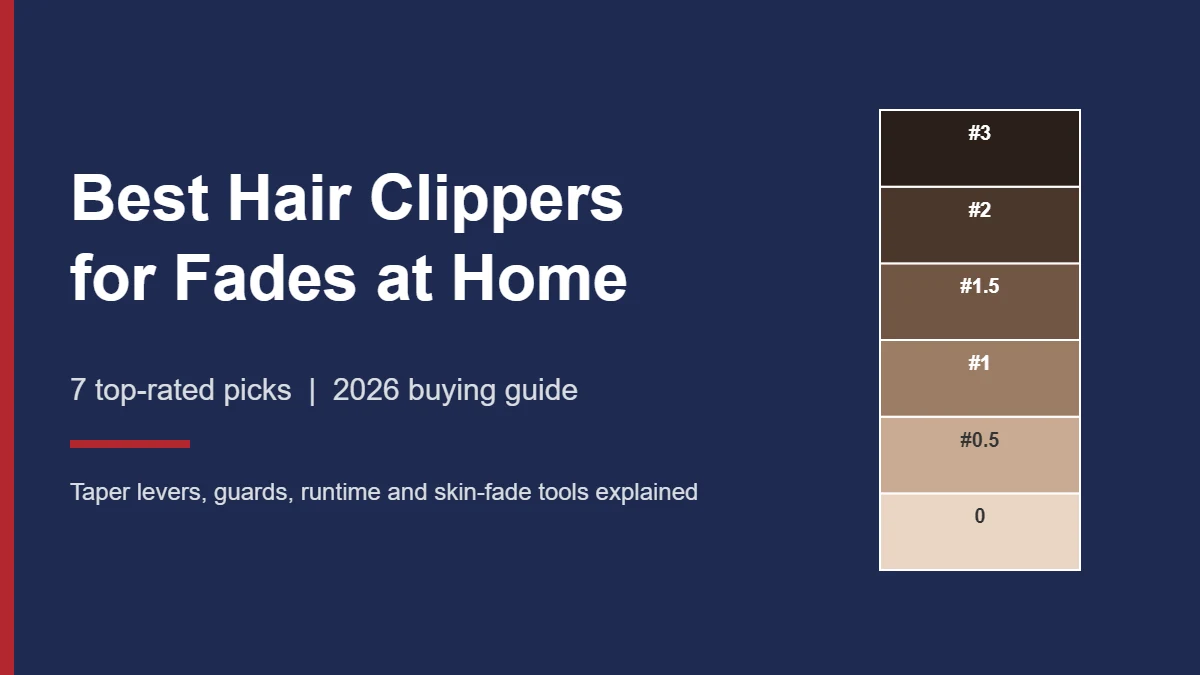
Seven top-rated hair clippers for doing fades at home, with a guard ladder, what to look for and a basic home fade method.
-
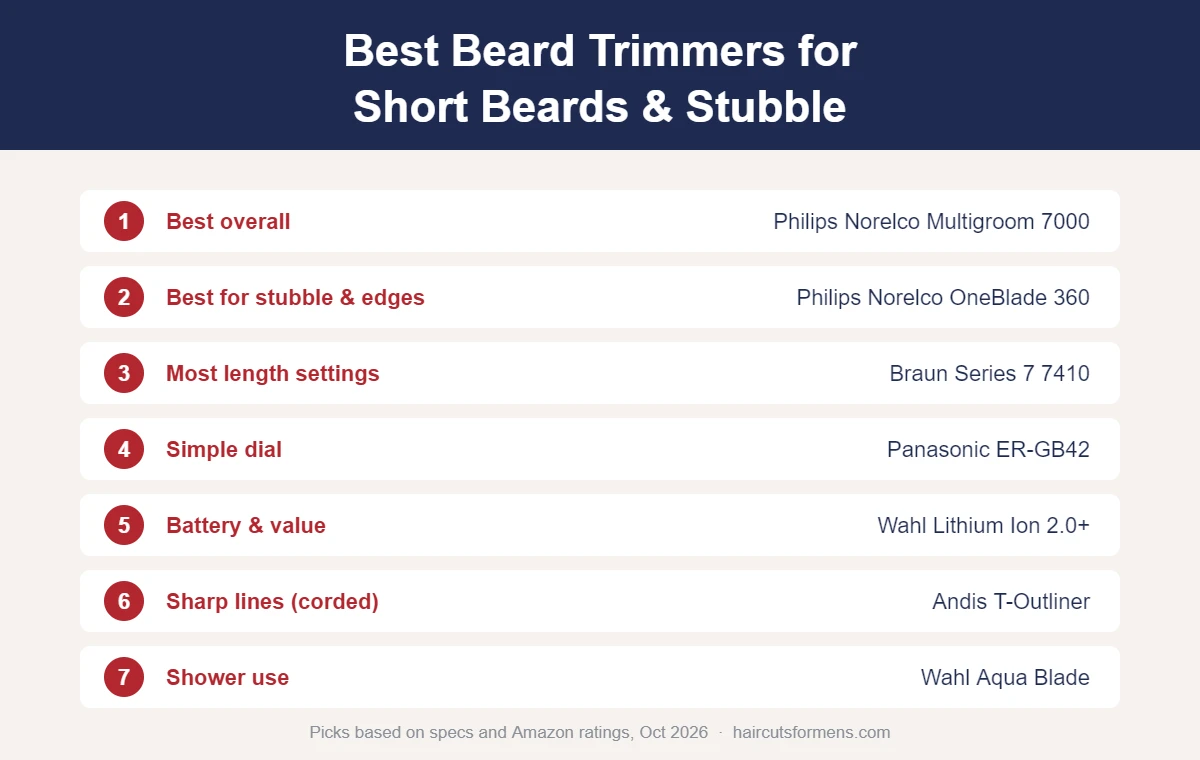
Affiliate disclosure: this guide contains Amazon affiliate links. As an Amazon Associate I earn from qualifying purchases, at no extra cost to you. See our affiliate disclosure. Short beards and stubble show every millimeter. The difference between 3 mm and 5 mm is easy to see, and an uneven neckline or a wobbly cheek line…
-
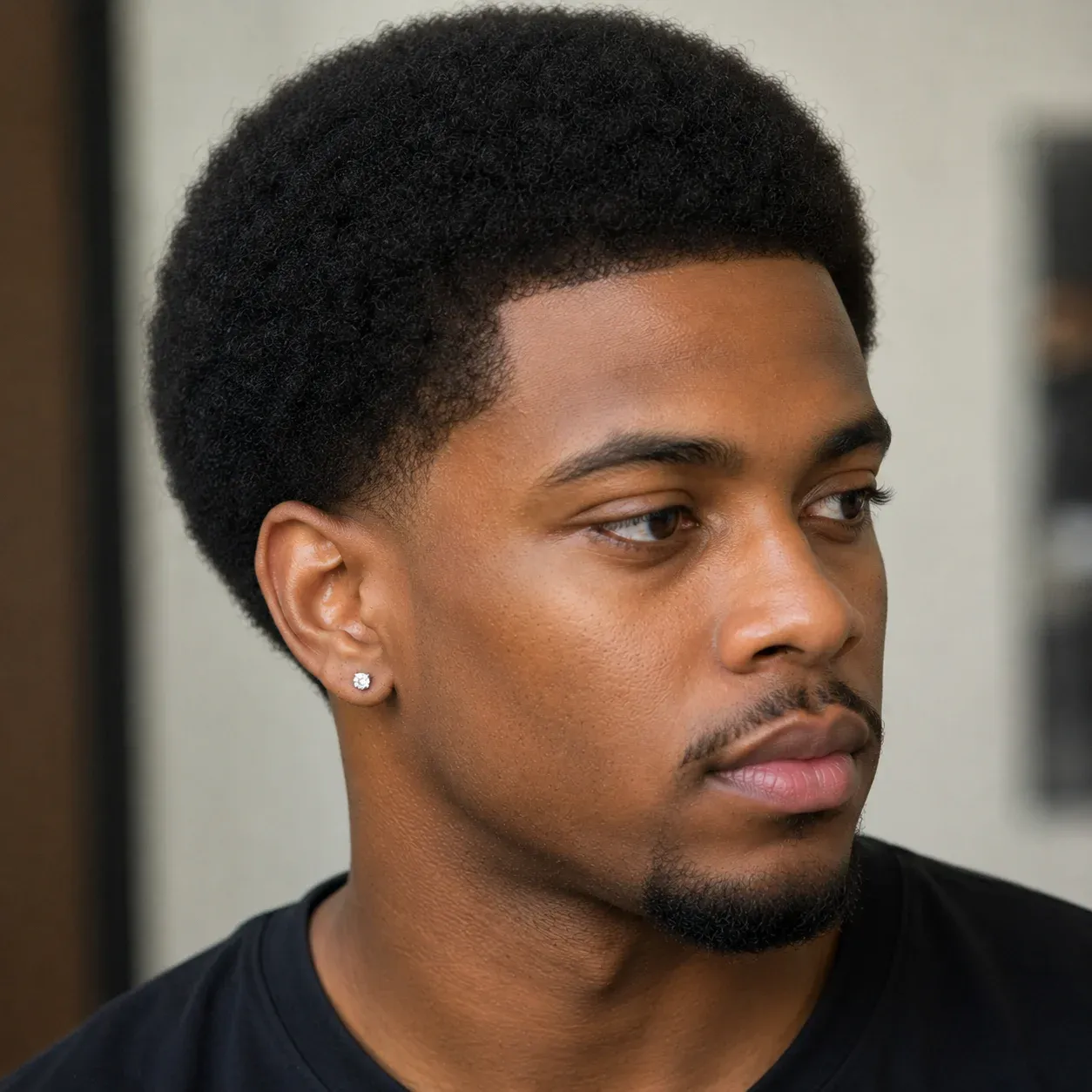
A short afro is one of the easiest ways to wear natural coily or kinky hair: the hair on top is kept short and even, shaped into a neat rounded outline, and usually paired with a fade or a sharp line-up. It looks clean, works in almost any setting and takes very little time to…
-

Thin line beard styles, how wide to keep the strip, who suits it, and a step-by-step guide to lining up your cheek line, jaw strip and neckline.
-
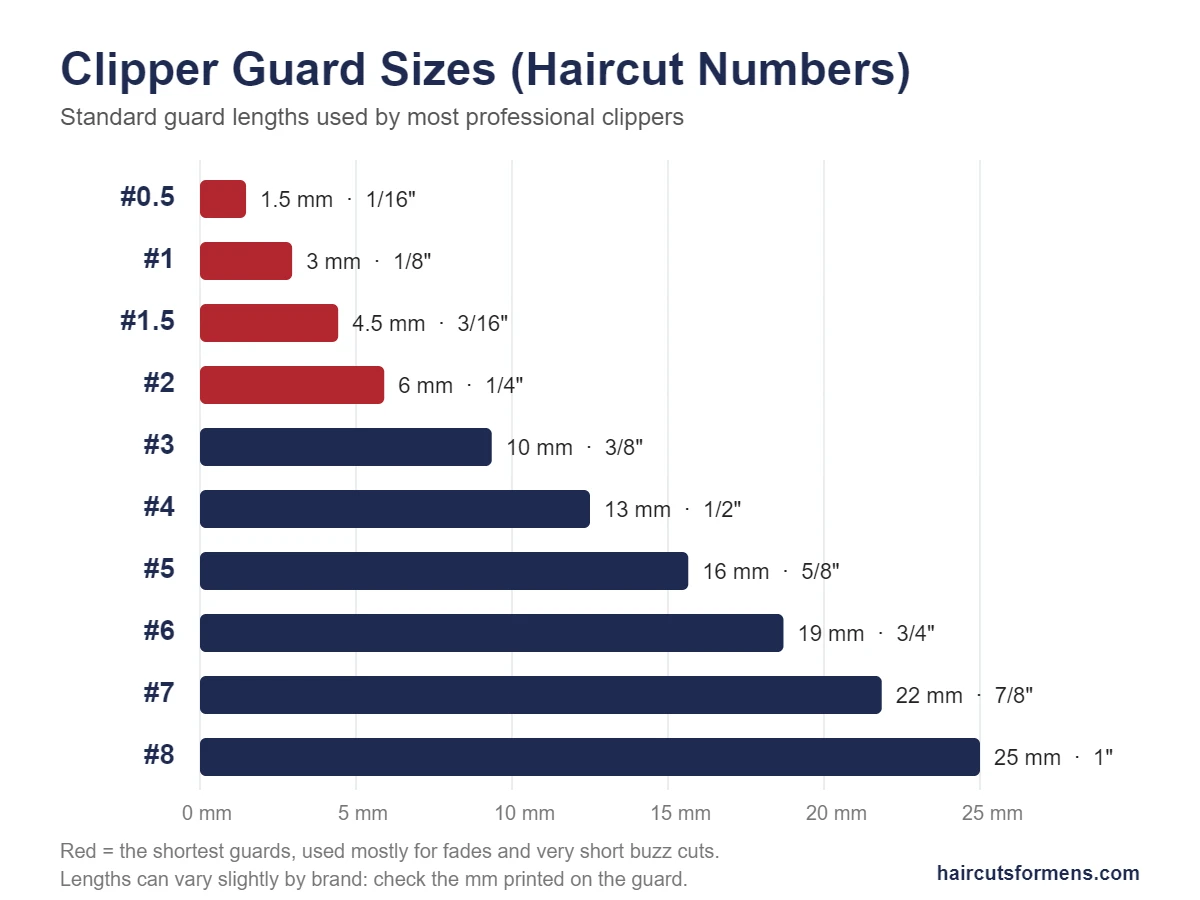
What each haircut number means in mm and inches, from a #0.5 to a #8, with a chart, photos and what to tell your barber.
-
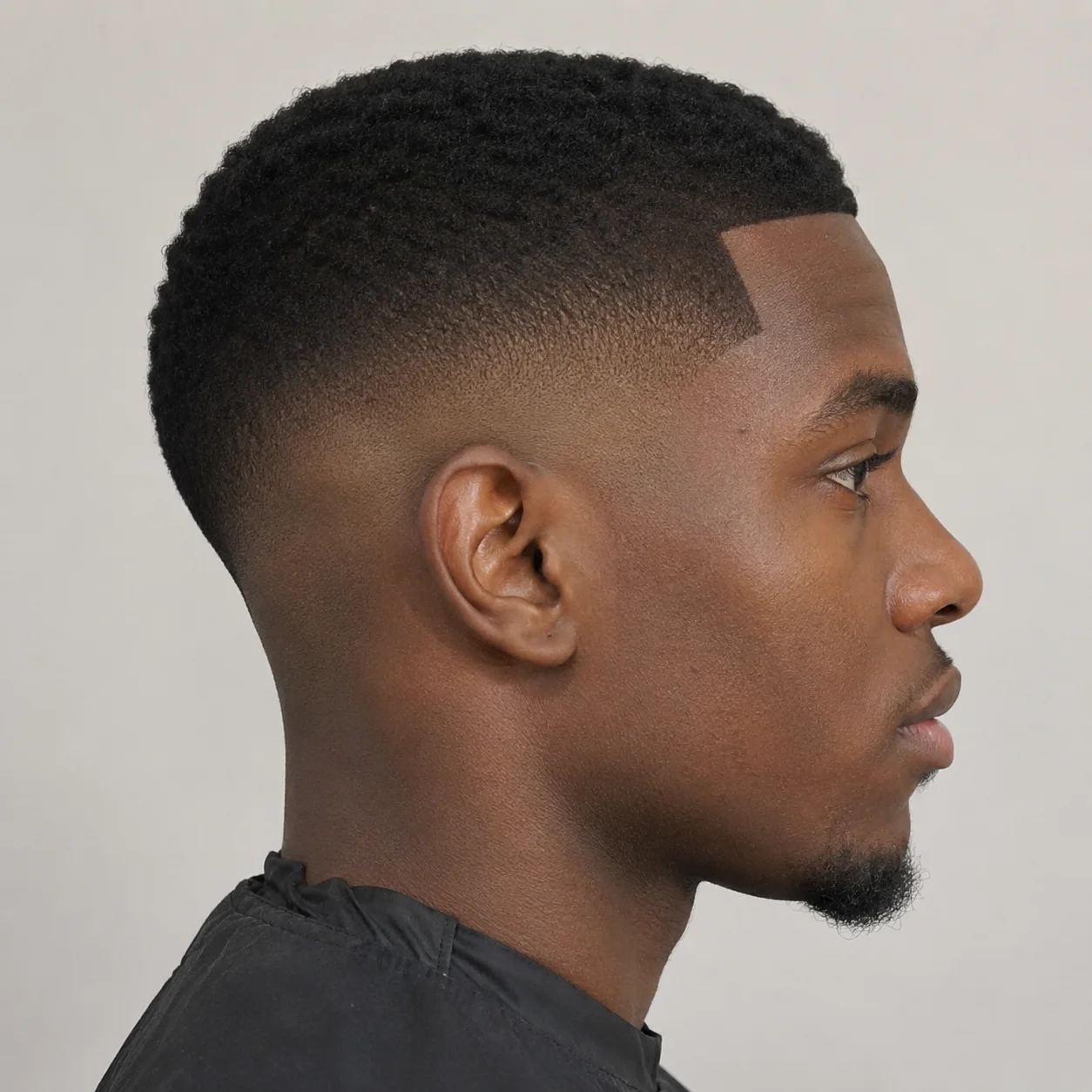
A low fade starts just above the ears and keeps most of the side length, so it looks clean without looking severe. Here is who it suits, how it is cut, and what to tell your barber.
-
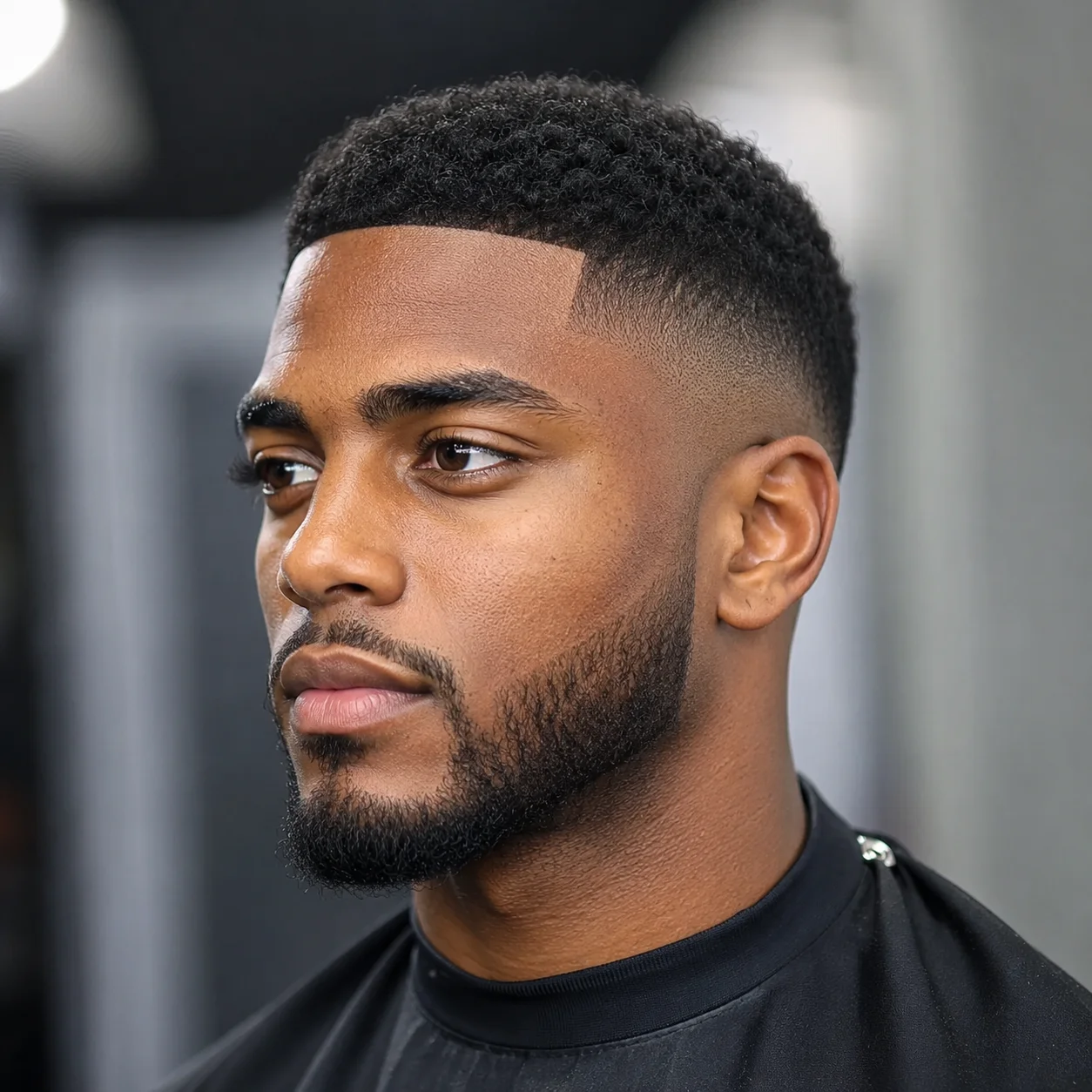
A mid fade starts about halfway up the side of the head, giving more contrast than a low fade without the boldness of a high fade.
-

A high fade starts near the temples, taking most of the sides short for a bold, high-contrast look.
-
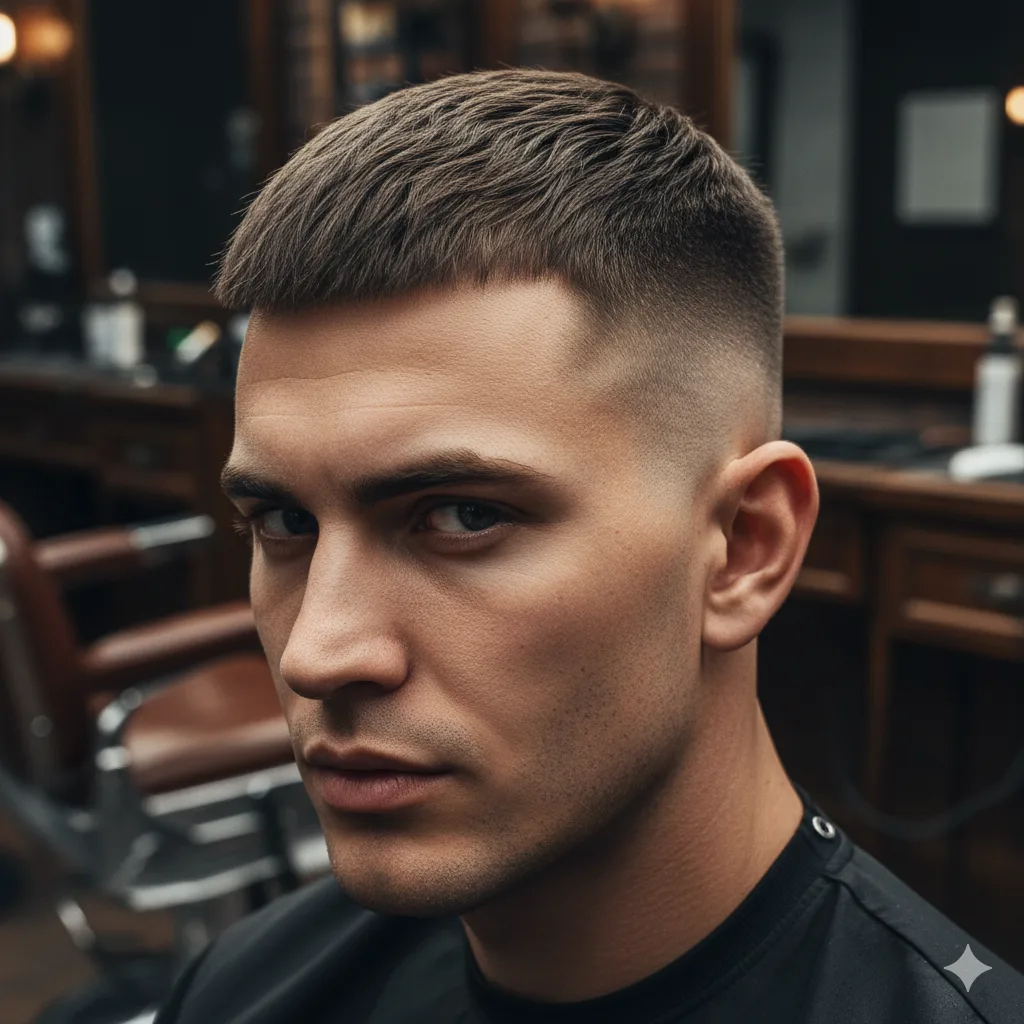
The only real difference between a low, mid and high fade is where the short part starts. Here is how the three compare and how to choose.