
Why Your Face Shape Matters
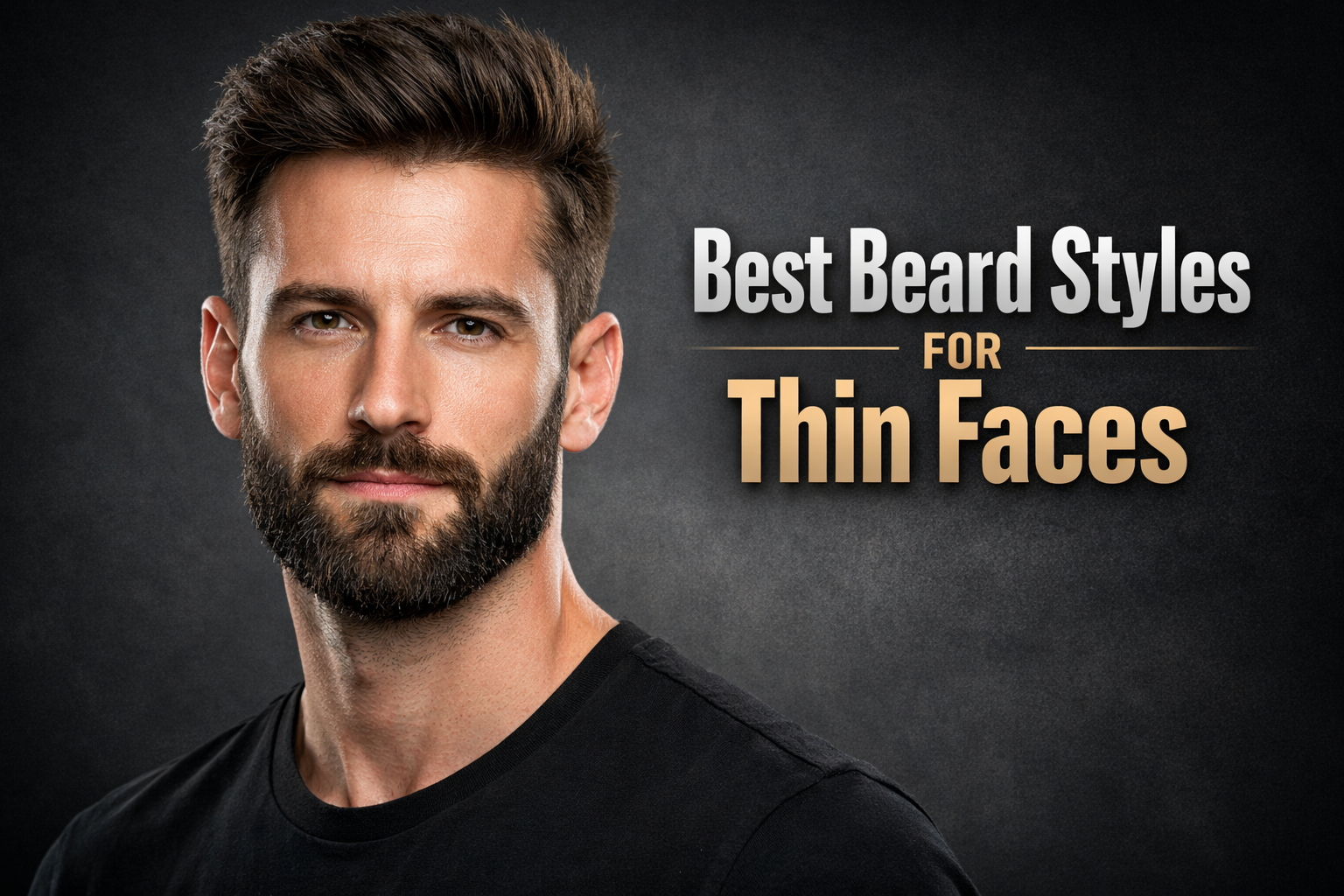
Are you struggling to find the perfect beard style that complements your facial features? If you have a thin or narrow face, you’re not alone in this challenge. Understanding the relationship between face shape and beard styling is crucial for creating a balanced, attractive appearance.
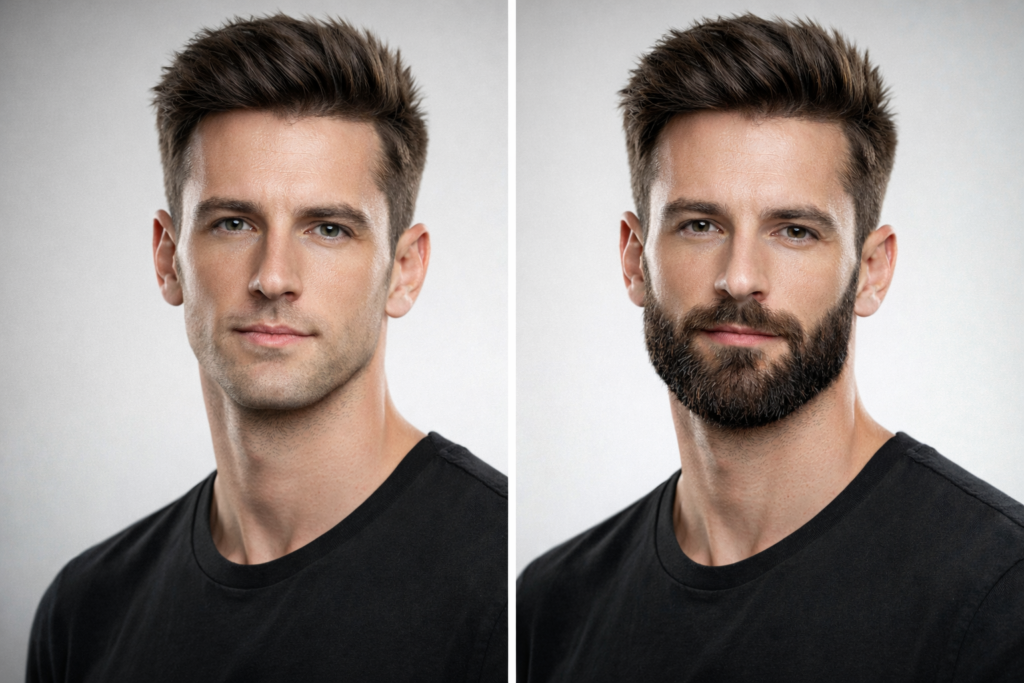
Research in facial aesthetics shows that strategic beard styling can significantly alter facial proportions and perceived attractiveness. For men with thin faces, the right beard acts as a natural contouring tool, adding width, depth, and dimension to create more balanced features.
In this comprehensive guide, you’ll discover:
- 8 expertly-selected beard styles specifically designed for thin faces
- Science-backed grooming techniques to maximize your facial aesthetics
- Professional maintenance tips for keeping your beard in peak condition
- Product recommendations tailored to your unique grooming needs
- Common mistakes to avoid when styling beards on thin faces
Let’s unlock the secrets to transforming your thin face into a canvas of confidence and style
Understanding Thin Face Characteristics
What Defines a Thin Face?
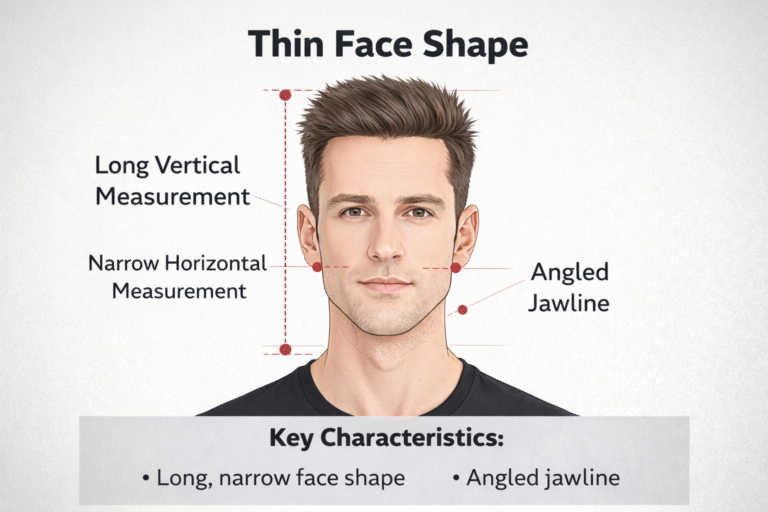
A thin or narrow face typically exhibits these characteristics:
- Elongated facial structure with vertical emphasis
- Narrow cheekbones relative to face length
- Defined or sharp jawline without much width
- High length-to-width ratio of the overall face
- Prominent bone structure that may appear angular
The Challenge: Visual Balance
The primary challenge for thin faces is creating horizontal visual balance to counteract the natural vertical emphasis. Without facial hair, thin faces can appear:
- Overly elongated or “stretched”
- Too angular or harsh
- Lacking in fullness or dimension
- Unbalanced in proportions
This is where strategic beard styling becomes your most powerful tool.
The Beard Solution
The right beard style addresses these challenges by:
- Adding horizontal volume to balance vertical length
- Creating fuller cheeks and jawline for width perception
- Softening sharp angles with textured growth
- Drawing attention strategically to balanced facial features
Enhancing masculine characteristics through dimensional depth
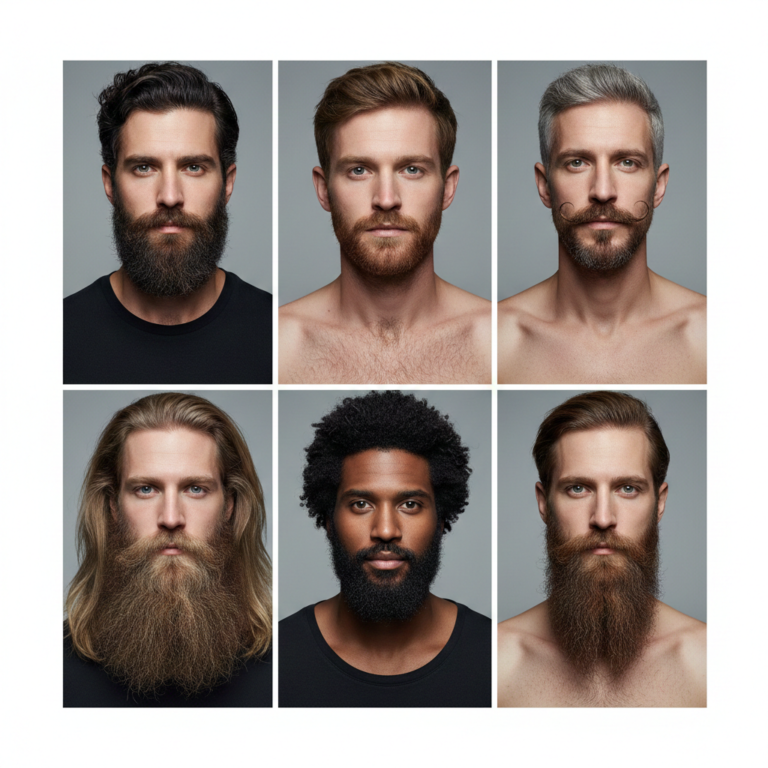
Best Beard Styles for Thin Faces
The Full Beard: The Ultimate Volume Creator
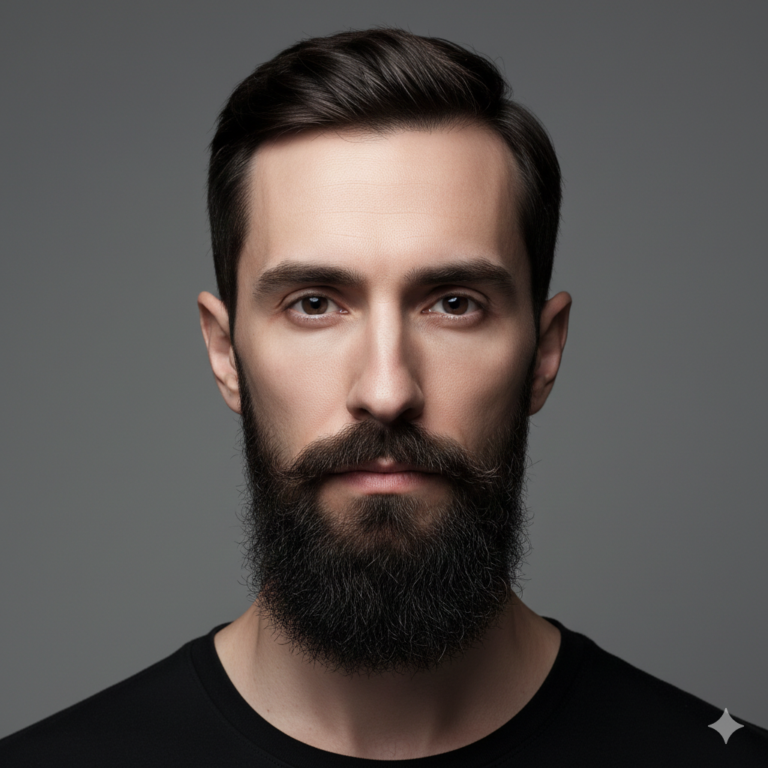
Image Prompt: Close-up portrait of a man with a thin face wearing a perfectly groomed full beard with medium length, showing excellent coverage on cheeks and jawline, professional barbershop quality, warm lighting
Why It Works for Thin Faces
The full beard is the gold standard for thin faces because it provides maximum coverage and volume across the entire lower face. This comprehensive approach creates the illusion of a wider, more proportionate face shape while maintaining masculine appeal.
Key Benefits:
- Creates substantial horizontal width through cheek coverage
- Adds visual weight to the jaw and chin areas
- Offers versatile styling options for different occasions
- Masks facial asymmetries effectively
- Provides the most dramatic transformation for thin faces
How to Achieve the Perfect Full Beard
Step 1: The Growth Phase (4-8 Weeks)
- Commit to at least 4 weeks of uninterrupted growth
- Resist the urge to trim during the initial “awkward phase”
- Allow patchy areas time to fill in naturally
- Expect itching around week 2-3 (this is normal and temporary)
Step 2: Initial Shaping (Week 4-6)
- Visit a professional barber for the first shaping
- Define your neckline (two fingers above Adam’s apple)
- Establish clean cheek lines (follow natural growth pattern)
- Trim to a uniform length starting at 10mm
Step 3: Ongoing Maintenance
- Keep sides slightly shorter than the chin area (critical for thin faces)
- Trim every 1-2 weeks to maintain shape
- Use beard oil daily to keep hair soft and manageable
- Brush downward and outward to maximize volume
Styling Variations for Thin Faces
The Rounded Full Beard: Best for very narrow faces, adds maximum width The Boxed Full Beard: Creates strong jawline definition The Natural Full Beard: Less structured, more organic appearance
Professional Tips
💡 Volume Maximization: Blow-dry your beard outward after showering to create maximum width. Use a round brush to lift hair away from the face.
💡 Length Strategy: Keep your beard length between 1-3 inches for optimal balance. Longer beards can elongate thin faces, while shorter ones may not add enough width.
💡 Product Selection: Use beard balms with medium hold to train your beard to grow outward rather than downward.
The Extended Goatee: Strategic Central Focus
Why It Works for Thin Faces
The extended goatee (also called the “Hollywoodian”) provides strategic coverage that adds width to the lower face while maintaining a clean, professional appearance. It’s ideal for men who want impact without the full commitment of a complete beard.
Key Benefits:
- Adds dimension specifically to the chin and mouth area
- Creates the illusion of a stronger, wider jaw
- Requires less maintenance than a full beard
- Works well for professional environments
- Ideal for patchy cheek growth patterns
Achieving the Extended Goatee
Step 1: Growth Requirements (2-3 Weeks)
- Focus on growing mustache and chin areas
- Allow coverage to extend slightly past the corners of your mouth
- Grow until you have at least 5mm of length for shaping
Step 2: Defining the Shape
- Connect the mustache to the chin beard along the jaw
- Create a width that extends 1-2cm past the corners of your mouth
- Keep edges crisp and well-defined
- Maintain clean-shaven cheeks and neck
Step 3: Width Optimization for Thin Faces
- Make the goatee slightly wider than standard (but not excessive)
- Extend the jawline connection outward to add horizontal dimension
- Keep the chin portion rounded rather than pointed
Maintenance Schedule
- Daily: Apply beard oil and brush into shape
- Every 2-3 days: Touch up edges with precision trimmer
- Weekly: Comprehensive trim and shape refinement
- Monthly: Professional barber visit for perfect symmetry
Common Mistakes to Avoid
❌ Making the goatee too narrow (emphasizes facial narrowness) ❌ Letting the edges become fuzzy and undefined ❌ Growing the chin portion too long (creates vertical emphasis) ❌ Neglecting to maintain symmetry between both sides

The Circle Beard: Balanced Definition
Why It Works for Thin Faces
The circle beard offers a perfect middle ground between a goatee and full beard. Its circular shape naturally draws the eye around the mouth area, creating a focal point that de-emphasizes facial narrowness while adding structured definition.
Key Benefits:
- Provides balanced coverage without overwhelming the face
- Creates horizontal visual interest through circular pattern
- Perfect for men with strong mustache and chin growth
- Professional appearance suitable for any setting
- Easier to maintain than a full beard
Step-by-Step Creation Guide
Phase 1: Growth (2-4 Weeks)
- Grow all facial hair to assess your natural growth pattern
- Identify your densest growth areas (typically around mouth)
- Aim for at least 6-8mm before shaping
Phase 2: Mapping the Circle
- Use a beard shaping template or create guidelines
- The circle should be approximately 2-3 inches in diameter
- Center the circle on your mouth and chin
- Mark the boundaries before trimming
Phase 3: Precision Shaping
- Use a precision trimmer with guard removed for edges
- Shave everything outside the circular boundary
- Keep the circle shape smooth and continuous
- Trim interior to uniform length (5-10mm recommended)
Phase 4: Daily Styling
- Apply beard oil to keep hair soft and manageable
- Use a boar bristle brush to train hair into circular pattern
- Touch up edges every 2-3 days for crispness
Optimizing for Thin Faces
Width Consideration: Make your circle slightly wider than standard proportions. The extra width counteracts facial narrowness without looking unnatural.
Edge Definition: Keep edges sharp and well-defined. The contrast between clean-shaven areas and the beard creates the illusion of fuller facial features.
Length Strategy: Maintain length between 5-10mm. Too short loses impact, too long can appear unkempt.
The Van Dyke: Sophisticated Distinction
Why It Works for Thin Faces
Named after the 17th-century Flemish painter Anthony van Dyck, this distinguished style combines a mustache with a separate goatee or soul patch. The intentional disconnect between elements creates visual interest and adds perceived width through strategic placement.
Key Benefits:
- Adds character and sophistication without bulk
- Creates horizontal visual lines through the mustache
- Allows for creative individual styling of each component
- Excellent for professional and artistic environments
- Minimizes the appearance of vertical facial length
Creating the Perfect Van Dyke
Component 1: The Mustache
- Grow for 3-4 weeks to achieve sufficient thickness
- Style options: Classic (straight), Handlebar (curled ends), or English (slightly upturned)
- Keep width extending slightly past corners of mouth
- Trim any hair that hangs over the upper lip
- Use mustache wax for styling and hold
Component 2: The Chin Beard
- Options range from small soul patch to fuller goatee
- For thin faces, opt for a slightly wider goatee version
- Keep it rounded rather than pointed at the bottom
- Maintain 6-12mm length for balanced proportions
- Ensure it doesn’t extend too far down (stops at chin line)
Component 3: The Crucial Gap
- Maintain a clear, clean-shaven space between mustache and chin beard
- This gap should be approximately 0.5-1 inch
- Keep the separation crisp and well-defined
- The disconnect is what defines the Van Dyke style
Advanced Styling Techniques
Mustache Wax Application:
- Warm a small amount of wax between fingertips
- Apply evenly to mustache, working from center outward
- Style ends upward or outward to add width
- Use a fine-toothed comb for precision
Goatee Shaping for Thin Faces:
- Create a subtle taper from wider at the bottom lip to slightly narrower at chin
- This inverted triangle adds horizontal emphasis
- Avoid sharp points that add vertical length
Maintenance Requirements
Daily: Style mustache with wax, apply oil to goatee Every 2-3 days: Touch up the gap and cheek areas Weekly: Comprehensive trim of both components Monthly: Professional shaping to maintain symmetry

The Anchor Beard: Nautical Strength
Why It Works for Thin Faces
The anchor beard gets its name from its resemblance to a ship’s anchor, featuring a pointed beard on the chin with a thin line tracing the jawline. This style adds definition to the jaw while creating horizontal visual interest through its unique shape.
Key Benefits:
- Defines and enhances the jawline dramatically
- Adds visual width through jawline coverage
- Creates a distinguished, memorable appearance
- Works excellently with professional attire
- Requires moderate maintenance commitment
Creating Your Anchor Beard
Step 1: Growth Foundation (3-4 Weeks)
- Grow full facial hair to establish a working canvas
- Focus on achieving good coverage along the jawline
- Aim for at least 6-8mm before shaping
Step 2: Defining the Anchor Shape
- Create a pointed beard descending from the lower lip
- Extend thin lines along the jawline from chin to ears
- Width of jawline strip: 3-5mm for clean definition
- Connect mustache to the chin point
- Keep cheeks completely clean-shaven
Step 3: Precision Detailing
- Use a precision trimmer without guard for sharp lines
- Create symmetrical points on both sides of chin
- Keep the anchor point sharp and well-defined
- Maintain even width of jawline strips
Thin Face Optimization
Jawline Enhancement: The horizontal line along the jaw creates the illusion of a wider, more defined jawline. This is crucial for balancing narrow faces.
Point Position: Keep the anchor point at the very bottom of your chin, not extending beyond. This prevents adding unwanted vertical length.
Width Balance: The thin jawline strips should be visible but subtle—too thick and they overwhelm, too thin and they lose impact.
Styling Products and Tools
Essential Tools:
- Precision trimmer with T-blade
- Straight razor for ultra-crisp lines
- Magnifying mirror for detail work
- Beard shaping template
Recommended Products:
- Lightweight beard oil for daily conditioning
- Clear balm for holding shape without heaviness
- Aftershave balm for freshly shaved cheek areas

The Stubble: Effortless Texture
Why It Works for Thin Faces
Short, well-maintained stubble is the minimalist’s answer to beard styling. While it doesn’t add as much width as fuller styles, strategic stubble creates texture and shadow that defines facial features and adds subtle dimension to a thin face.
Key Benefits:
- Low maintenance while still impactful
- Adds rugged texture without commitment
- Creates subtle shadows that define bone structure
- Perfect for active lifestyles
- Works in any professional setting
- Ideal for patchy or uneven growth patterns
The Science of Stubble Length
Light Stubble (1-2mm): Subtle shadow, minimal definition Medium Stubble (2-3mm): Optimal for thin faces—visible texture with good definition Heavy Stubble (3-5mm): Maximum impact, requires more grooming
For thin faces, medium stubble (2-3mm) provides the sweet spot of definition without overwhelming your features.
Achieving Perfect Stubble
Method 1: Growth and Maintenance
- Let facial hair grow for 2-4 days (depending on growth rate)
- Trim to desired length using adjustable trimmer
- Maintain every 1-2 days for consistency
Method 2: Precision Trimming
- Start with longer growth (5-6mm)
- Trim down to desired 2-3mm length
- Allows for more even, controlled results
Step-by-Step Stubble Grooming:
- Cleanse: Wash face to remove oils and debris
- Dry completely: Wet hair cuts unevenly
- Trim with guard: Use 2-3mm guard setting for even length
- Define neckline: Clean shave just above Adam’s apple
- Refine cheek lines: Remove strays above natural cheek line
- Apply beard oil: Keeps skin moisturized and prevents irritation
- Exfoliate: Regular exfoliation prevents ingrown hairs
Strategic Stubble for Thin Faces
Gradient Technique: Keep stubble slightly longer on the chin and jawline (3mm) while maintaining shorter stubble on cheeks (2mm). This subtle difference adds dimension and draws attention to the lower face.
Coverage Optimization: If you have patchy areas, maintain slightly longer stubble (3-4mm) which helps disguise gaps.
Shape Definition: Even with stubble, maintain clean neckline and cheek lines for a groomed appearance.
Maintenance Schedule
- Daily: Quick visual check and spot corrections
- Every 1-2 days: Full trim to maintain length
- Daily: Apply lightweight beard oil
- Weekly: Exfoliate to prevent ingrown hairs
Monthly: Replace trimmer blades for consistent cutting

The Balbo Beard: Italian Elegance
Why It Works for Thin Faces
The Balbo, named after Italian Air Marshal Italo Balbo, features a mustache and an inverted T-shaped beard on the chin without connecting sideburns. This distinctive style creates strong horizontal lines that counteract facial narrowness while maintaining a sophisticated appearance.
Key Benefits:
- Creates multiple horizontal visual elements
- Adds width specifically where thin faces need it most
- Sophisticated and memorable appearance
- Excellent for mature gentlemen
- Works well with professional and formal attire
- Hides weak chin while defining strong jawline
Anatomy of the Balbo
Component 1: The Disconnected Mustache
- Fuller than a typical pencil mustache
- Extends to corners of mouth or slightly beyond
- Not connected to the chin beard (key characteristic)
- Styled either naturally or with slight upward curve
Component 2: The Inverted T Beard
- Vertical strip from lower lip to chin (the “soul patch extended”)
- Horizontal section along the jawline
- Creates an upside-down T shape
- Width extends toward but doesn’t reach the ears
Component 3: The Clean Canvas
- Completely clean-shaven cheeks
- Clean-shaven area between mustache and chin beard
- No sideburn connection to the beard
Step-by-Step Creation
Phase 1: Growth (4-6 Weeks)
- Grow full beard to establish coverage
- Ensure you have good density in mustache and chin areas
- Allow jawline hair to grow in fully
Phase 2: Creating the Shape (Week 6-7)
- Define the mustache boundaries
- Shave clean separation between mustache and chin
- Create the vertical soul patch extension from lower lip to chin
- Define the horizontal jawline section
- Ensure both sides are symmetrical
- Clean-shave all cheek areas
Phase 3: Refinement
- Trim mustache to desired thickness
- Keep the inverted T sections uniform in width (10-15mm)
- Ensure crisp, clean lines throughout
- Maintain length between 8-12mm
Thin Face Optimization Strategies
Width Maximization: Extend the horizontal jawline sections as wide as naturally possible without looking forced. This adds crucial width to narrow faces.
Proportional Balance: Keep the vertical and horizontal sections of the T similar in width (10-15mm) for visual harmony.
Mustache Enhancement: A fuller mustache adds horizontal emphasis. Consider styling the ends slightly outward to increase perceived width.
Maintenance and Care
Daily Routine:
- Apply beard oil to all beard sections
- Style mustache with light wax if desired
- Brush beard sections to maintain shape
- Quick check for symmetry
Every 2-3 Days:
- Touch up all clean-shaven areas
- Trim any strays outside defined boundaries
- Check and correct line crispness
Weekly:
- Comprehensive trim of all sections
- Ensure length consistency
- Deep condition with beard balm
- Professional assessment of symmetry

The Chevron Mustache with Light Stubble: Bold Statement
Why It Works for Thin Faces
This style combines a full, thick mustache in the classic chevron style with maintained light stubble across the rest of the face. The bold mustache creates a strong horizontal element while the stubble adds subtle texture and definition throughout.
Key Benefits:
- Creates dominant horizontal focal point at face center
- Adds character without overwhelming thin features
- Works well for men with strong mustache growth
- Provides visual width where thin faces need it most
- Distinguishes you in professional and social settings
- Easier to maintain than complex beard styles
Understanding the Chevron Mustache
The chevron mustache is characterized by:
- Full coverage of the upper lip
- Follows the natural curve of the mouth
- Slightly angled downward from nose to corners of mouth
- No handlebar curls or stylized twists
- Thickness that makes a statement without looking unkempt
- Trimmed just at or slightly below the upper lip line
Creating This Style
Stage 1: Mustache Development (4-6 Weeks)
- Allow your mustache to grow without trimming
- Focus on achieving full, thick coverage
- Be patient through the awkward mid-growth phase
- Resist the urge to style too early
Stage 2: Shaping the Chevron (Week 6+)
- Let the mustache grow to just touch or slightly overlap the upper lip
- Trim the bottom edge to create a clean line
- Shape to follow your lip’s natural curve
- Maintain thickness throughout—no thinning at the edges
- Keep the center slightly longer if desired for emphasis
Stage 3: Stubble Management
- Maintain 2-3mm stubble on cheeks and chin
- Create contrast between full mustache and light stubble
- Keep neckline clean for a polished appearance
- Define cheek lines subtly
Styling for Thin Faces
Mustache Width: Allow your chevron to extend slightly beyond the corners of your mouth. This added width creates a horizontal line that balances narrow faces.
Stubble Length Selection: Keep stubble at 2-3mm—enough to be visible and add texture, but not so long it competes with the mustache for attention.
Proportional Balance: The mustache should be the dominant feature, with stubble playing a supporting role. This contrast is key to the style’s success.
Daily Maintenance Routine
Morning:
- Wash face and mustache with beard wash
- Pat dry (don’t rub—this causes frizz)
- Apply small amount of mustache wax or beard oil
- Brush downward and outward with a fine-toothed comb
- Style ends slightly outward for width emphasis
- Quick trim of any strays over the upper lip
Evening:
- Apply beard oil to mustache and stubble
- Brush mustache to maintain trained shape
- Check for areas needing touch-up trimming
Every 2-3 Days:
- Trim stubble to maintain 2-3mm length
- Check mustache symmetry
- Touch up neckline and cheek lines
- Trim any upper lip overhang
Common Challenges and Solutions
Challenge: Mustache feels scratchy on the upper lip Solution: Regular trimming of the bottom edge and daily oil application
Challenge: Food getting caught in the mustache Solution: Trim closer to lip line, use wax to keep hairs in place
Challenge: Uneven thickness across the mustache Solution: Let it grow longer and trim conservatively to even out density
The Science Behind Beard Styling for Thin Faces
Understanding Facial Proportions
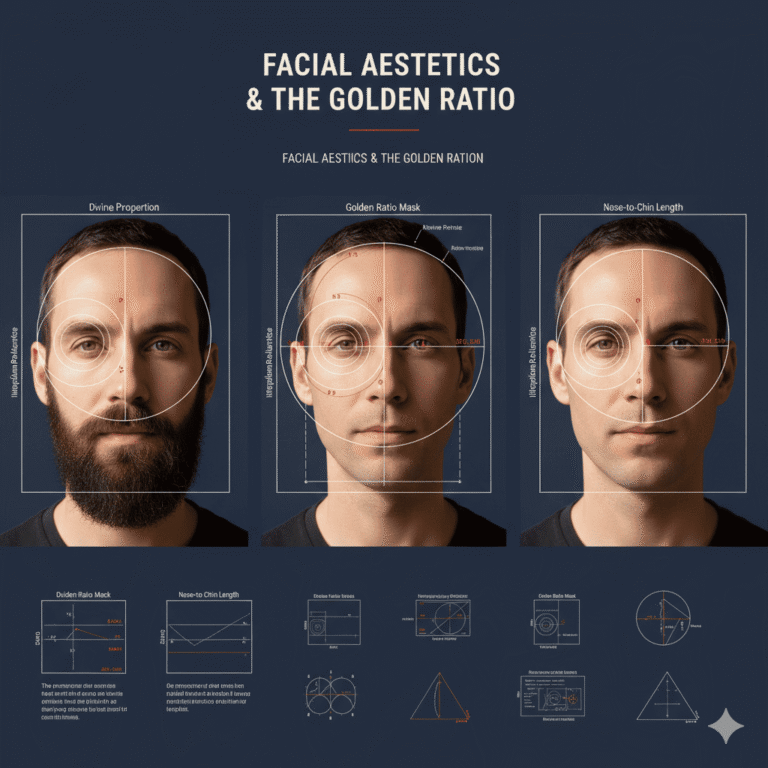
Facial aesthetics follow mathematical principles that influence perceived attractiveness. The “golden ratio” (1:1.618) appears throughout nature and ideal facial proportions. For thin faces, this ratio is often skewed, with length exceeding ideal width proportions.
The Facial Width-to-Height Ratio
Research in evolutionary psychology suggests that faces with a lower (wider) width-to-height ratio are perceived as more:
- Masculine and dominant
- Trustworthy and approachable
- Attractive and balanced
- Healthy and vital
Thin faces naturally have higher ratios (more length, less width). Strategic beard styling effectively lowers this ratio by adding horizontal dimension.
How Beards Alter Visual Perception
Shadow and Depth: Facial hair creates shadows that sculpt the appearance of your facial structure. These shadows can:
- Make the jaw appear more defined and angular
- Add the illusion of fuller cheeks
- Create depth where faces appear flat
- Enhance masculine features through contrast
Visual Weight Distribution: A well-styled beard redistributes where the eye focuses:
- Draws attention away from facial length
- Creates horizontal focal points
- Adds visual weight to the lower face
- Balances top-heavy facial features
Framing Effect: Like a picture frame, your beard creates a boundary that defines and enhances your facial features:
- Defines the face shape more clearly
- Creates contrast with surrounding skin
- Adds texture that catches light differently
- Provides a finished, polished appearance
How to Grow a Beard for Your Thin Face
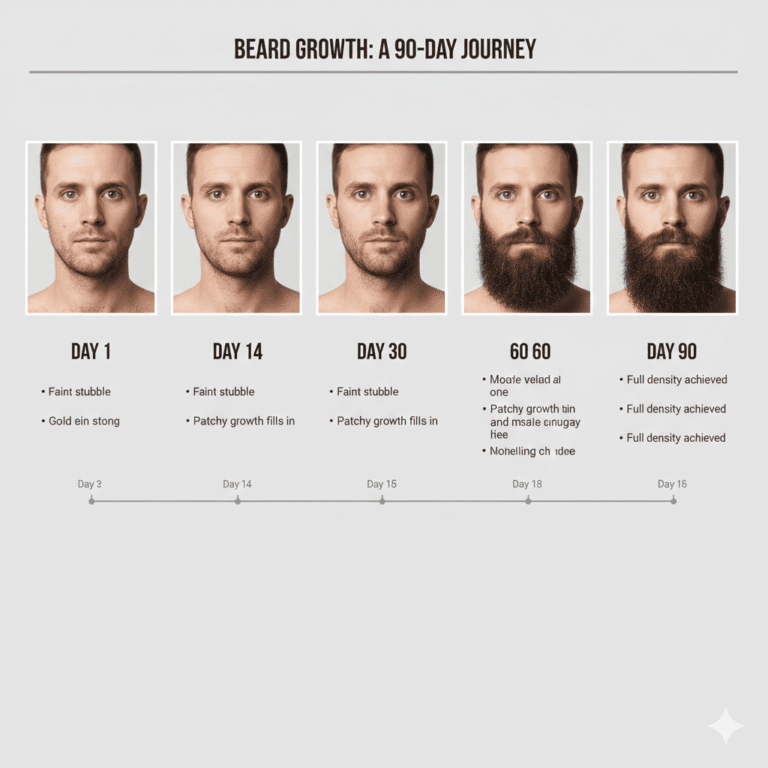
The Complete Growth Timeline
Week 1-2: The Initial Stage
What to Expect:
- Light stubble becomes visible
- May experience itching as hair emerges through skin
- Growth appears uneven and patchy
- May feel self-conscious about appearance
What to Do:
- Resist the urge to trim or shape
- Cleanse face daily with gentle face wash
- Begin using beard oil to reduce itching
- Stay hydrated and eat protein-rich foods
- Get adequate sleep (7-9 hours)
Dealing with Itching:
- Apply beard oil twice daily
- Exfoliate gently 2-3 times per week
- Use a soft beard brush to distribute oils
- Avoid scratching (causes irritation)
Week 3-4: The Awkward Phase
What to Expect:
- Beard looks uneven and unkempt
- Patches become more noticeable
- Itching may intensify then begin to subside
- Social pressure to give up increases
What to Do:
- Continue abstaining from trimming
- Increase beard oil application if needed
- Brush daily to train growth direction
- Maintain clean neck and cheek lines only
- Stay committed to your goal
Mental Game: This is where most men give up. Remember: every great beard goes through this phase. The men with impressive beards simply persisted through the awkwardness.
Week 5-8: Taking Shape
What to Expect:
- Beard begins to take a discernible shape
- Patches start filling in
- Itching subsides completely
- Confidence begins to build
What to Do:
- First shaping visit with professional barber
- Begin light maintenance trimming
- Establish your grooming routine
- Experiment with different products
- Document progress with photos
First Shaping Guidelines:
- Define neckline (two fingers above Adam’s apple)
- Establish natural cheek line
- Remove extreme strays
- Create basic shape tailored to your face
- Keep length conservative
Week 9-12: Refinement Phase
What to Expect:
- Significant length and coverage achieved
- Can clearly see your beard style potential
- Beard becomes part of your identity
- Compliments begin flowing in
What to Do:
- Establish maintenance schedule
- Perfect your daily grooming routine
- Experiment with styling techniques
- Consider professional photos
- Enjoy your new look!
Optimizing Growth for Thin Faces
Diet for Beard Growth
Protein: The building block of hair
- Lean meats, fish, eggs
- Legumes and nuts
- Greek yogurt and cottage cheese
- Aim for 0.8-1g per pound of body weight
Biotin (Vitamin B7): Supports hair growth
- Eggs (especially yolks)
- Almonds and walnuts
- Sweet potatoes
- Salmon and avocados
Vitamin A: Promotes sebum production (natural hair oil)
- Sweet potatoes and carrots
- Spinach and kale
- Mango and papaya
Vitamin C: Enhances iron absorption and collagen production
- Citrus fruits
- Bell peppers
- Broccoli and Brussels sprouts
Vitamin E: Improves blood circulation to follicles
- Sunflower seeds and almonds
- Spinach and avocados
- Olive oil
Omega-3 Fatty Acids: Reduces inflammation, promotes healthy growth
- Fatty fish (salmon, mackerel, sardines)
- Flaxseeds and chia seeds
- Walnuts
Lifestyle Factors
Sleep Quality:
- Growth hormone peaks during deep sleep
- Aim for 7-9 hours nightly
- Maintain consistent sleep schedule
- Create dark, cool sleeping environment
Stress Management:
- Chronic stress increases cortisol (inhibits growth)
- Practice meditation or mindfulness
- Regular exercise (moderate intensity)
- Engage in hobbies and relaxation
Exercise:
- Resistance training boosts testosterone
- Cardiovascular exercise improves circulation
- Don’t overtrain (increases cortisol)
- 30-45 minutes, 4-5 times per week
Hydration:
- Drink 8-10 glasses of water daily
- Hydrated cells function optimally
- Improves skin health beneath beard
- Helps flush toxins
Supplements to Consider
Note: Always consult with a healthcare provider before starting any supplement regimen.
Biotin: 2,500-5,000 mcg daily
- Most popular beard supplement
- Supports keratin production
- Results visible in 3-6 months
Multivitamin: Daily comprehensive formula
- Fills nutritional gaps
- Ensures adequate vitamin and mineral intake
- Choose quality brands with third-party testing
Fish Oil: 1,000-2,000mg daily
- Omega-3 fatty acids support hair health
- Reduces inflammation
- Improves overall health markers
Vitamin D: 2,000-5,000 IU daily (if deficient)
- Many people are vitamin D deficient
- Supports testosterone production
- Crucial for overall health
Essential Grooming Techniques for Thin Faces
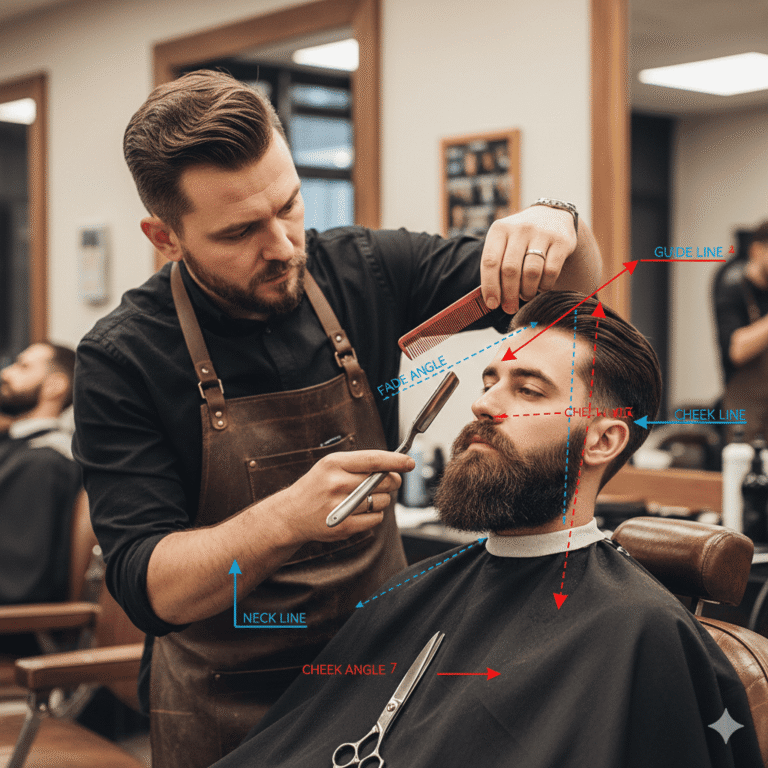
Mastering the Neckline
The neckline is arguably the most important border of your beard. Done correctly, it enhances your jawline and facial proportions. Done incorrectly, it can make even a great beard look sloppy.
The Perfect Neckline for Thin Faces
The Two-Finger Rule:
- Place your index and middle finger horizontally above your Adam’s apple
- The top of your middle finger marks your neckline
- Shave everything below this line completely
- Create a gentle curve (not a harsh straight line)
Why This Works for Thin Faces:
- Positions neckline where jaw naturally ends
- Prevents “double chin” appearance
- Maintains length that enhances jaw definition
- Creates clean, professional appearance
Common Neckline Mistakes: ❌ Shaving too high (makes face look rounder and chin weaker) ❌ Creating too sharp an angle (looks unnatural) ❌ Leaving it undefined (looks unkempt) ❌ Making it asymmetrical (obvious in photos)
Defining Cheek Lines
Natural vs. Sculpted Cheek Lines
Natural Cheek Line:
- Follows your natural growth pattern
- Appears more organic and casual
- Requires minimal maintenance
- Best for: Very thin faces needing maximum coverage
Sculpted Cheek Line:
- Creates defined, intentional boundary
- Appears more polished and professional
- Requires regular maintenance
- Best for: Professional environments, cleaner aesthetic
Creating the Ideal Cheek Line for Thin Faces
The Optimal Line:
- Start at the top of your sideburns
- Draw imaginary line to corner of mustache
- Keep it slightly lower than aggressive styles
- More coverage = more width for thin faces
Maintenance Frequency:
- Every 2-3 days to keep crisp
- Use a precision trimmer without guard
- Work in good lighting
- Use a steady hand (or visit a barber)
Barber Instruction Generator
Select your preferences and get exact instructions for your barber.
Frequently Asked Questions: French Crop High Fade
1. What is a French Crop High Fade?
A French Crop High Fade is a bold variation of the classic crop. It features the signature forward-brushed fringe and textured top, paired with a fade that begins high on the sides, typically well above the temples. This creates maximum contrast and a sharp, aggressive silhouette.
2. How does a high fade change the look of a French Crop?
Compared to mid or low fades, the high fade draws the eyes upward, making the hairstyle look more modern and intentional. It creates a cleaner look around the ears and neck and is perfect for men who want their haircut to make a statement.
3. Which face shapes are best for a High Fade French Crop?
This cut is excellent for Round Faces as the high sides add angles and definition. It also suits Oval Faces due to their natural balance and Square Faces by enhancing a strong jawline. Men with longer faces may want to keep the fringe slightly longer to maintain facial proportions.
4. Is the High Fade French Crop good for thin hair?
Yes! Because the sides are faded very high and short, the hair on top naturally appears thicker and more dense by comparison. Adding texture to the top further helps mask any thinning areas.
5. How often do I need a trim for a High Fade?
High fades show regrowth much faster than other styles. To keep that sharp, “fresh out of the barber” look, it is recommended to get a trim every 2 to 3 weeks.
6. How do I style a High Fade French Crop at home?
Style it by pushing the hair forward toward the forehead while it’s damp or dry. Use a small amount of matte clay or texture powder to define the fringe and create a “piecey” look. It typically takes less than a minute to style.