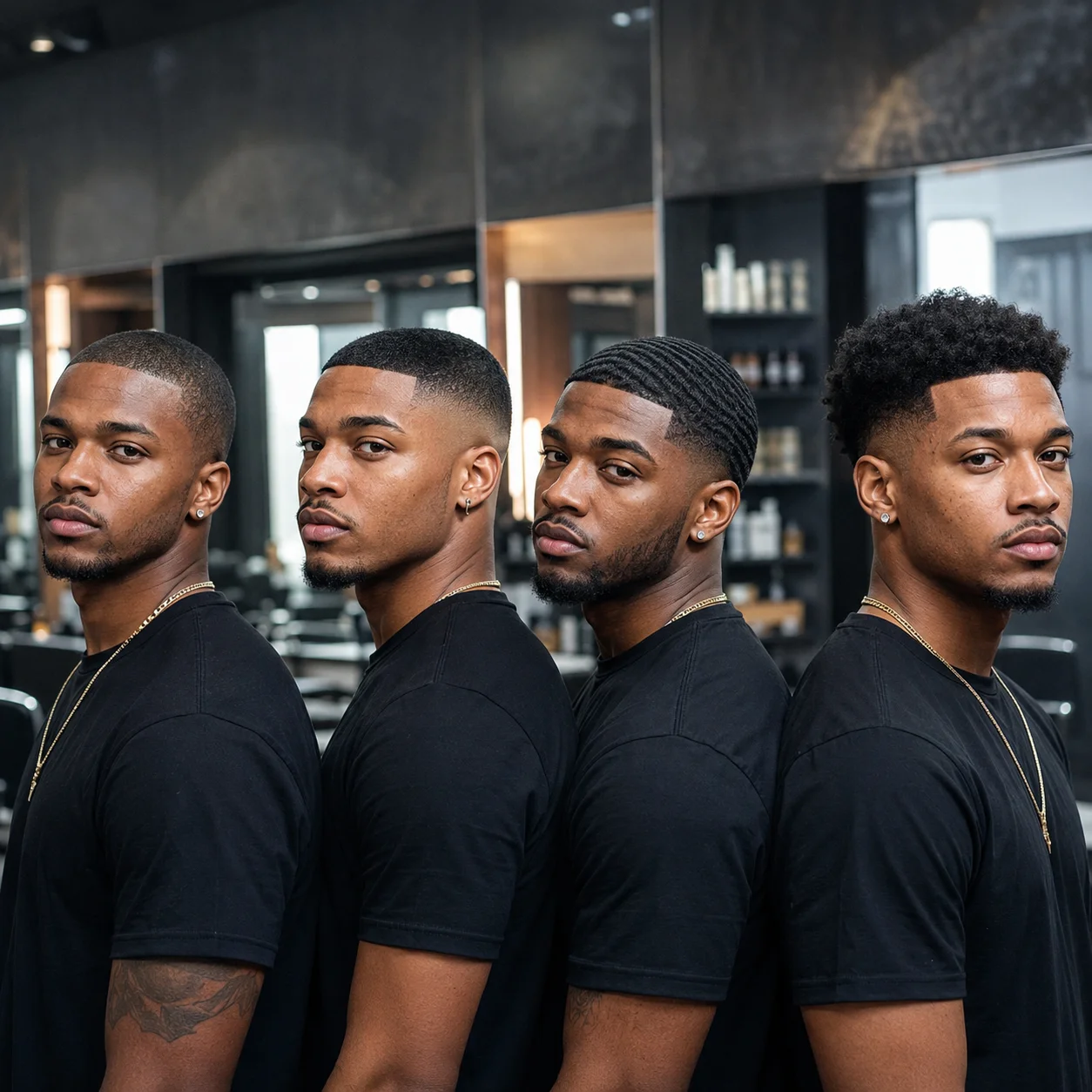

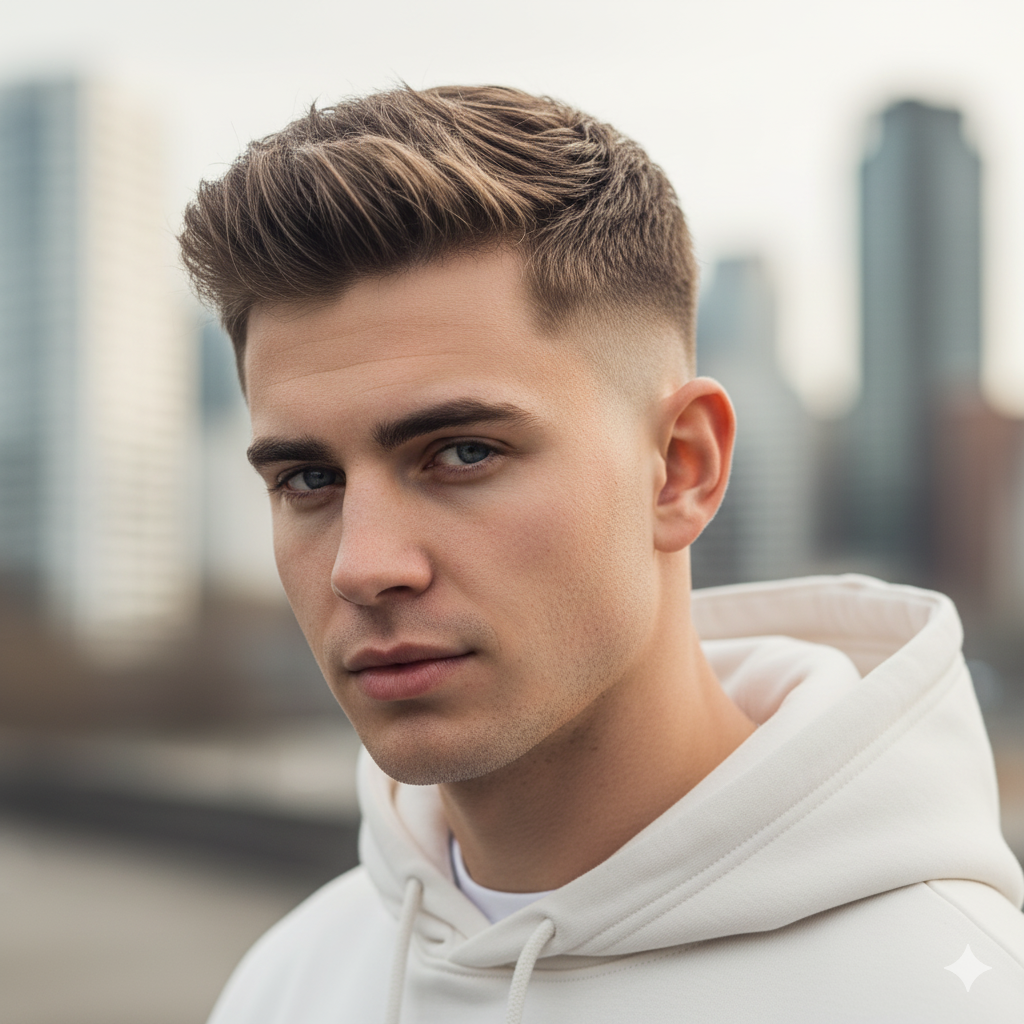
The textured crop is the most requested haircut in barbershops right now, and the French crop is its most iconic version. Short, faded sides. A slightly longer, choppy top. A forward-swept fringe that sits anywhere from mid-forehead to just above the brow. It’s sharp without being stiff, and it works on almost every hair type, face shape, and lifestyle.
If you’ve seen the terms “textured crop” and “French crop” used interchangeably, that’s not a mistake — French crop is the classic, cleaner-fringed version of the broader textured crop family. Think of textured crop as the category and French crop as its most popular member, alongside cousins like the Edgar cut and the modern quiff crop.
This guide covers everything: the fade options, how to pick one for your face shape and hair type, styling steps, maintenance, and the exact words to use with your barber.
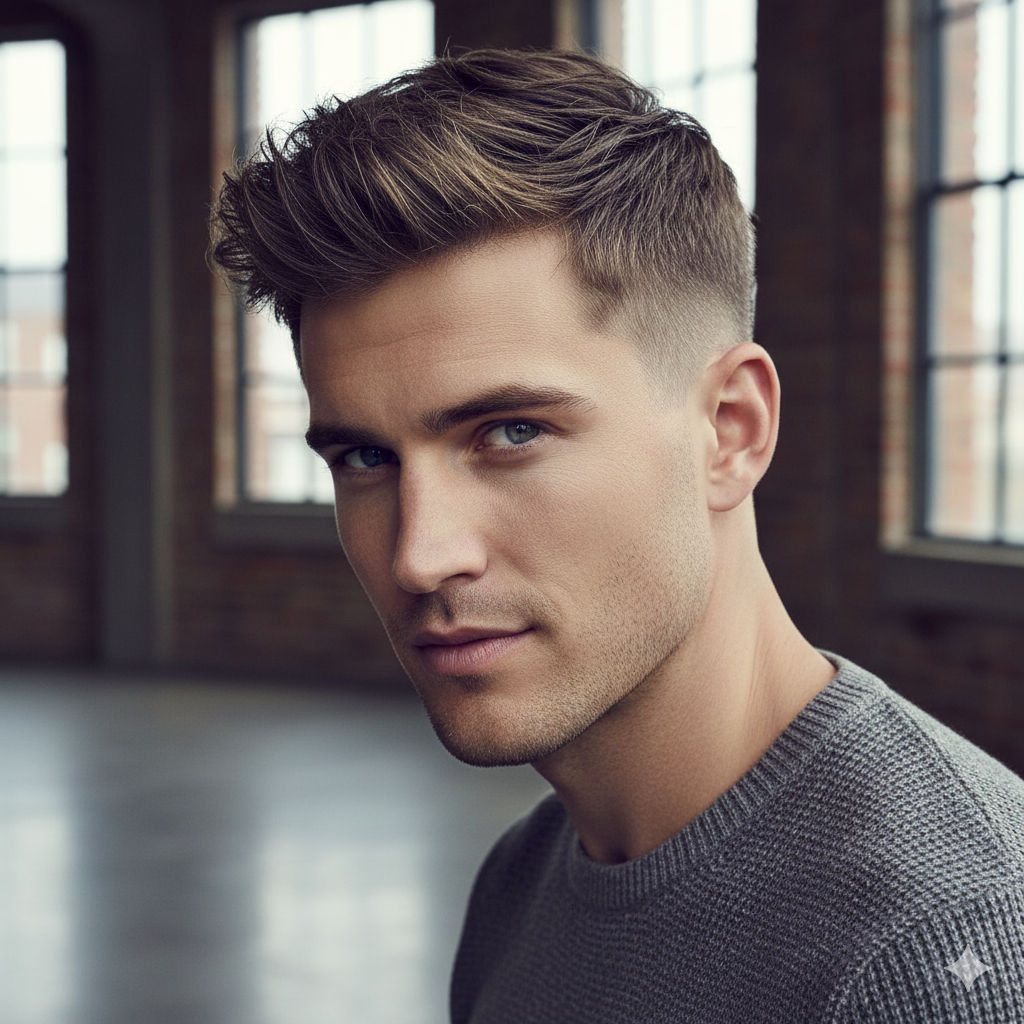
A textured crop is a short-to-medium haircut where the top is cut with choppy, layered texture — using point-cutting or razor work to remove bulk and create movement — while the sides and back are faded or tapered down. The defining feature on top is a forward-facing fringe, and the defining feature on the sides is contrast: clean, faded sides that make the textured top pop.
The French crop specifically refers to the version with a neater, often blunt fringe and a smoother top, usually paired with a skin or high-contrast fade. It has European barbershop roots and reads slightly more polished than a “messy” textured crop, though the two blend into each other depending on how much texture your barber leaves on top.
What makes this haircut so popular is that it’s genuinely low-maintenance once cut correctly — the layering does most of the styling work for you, and a full routine takes under five minutes most mornings.
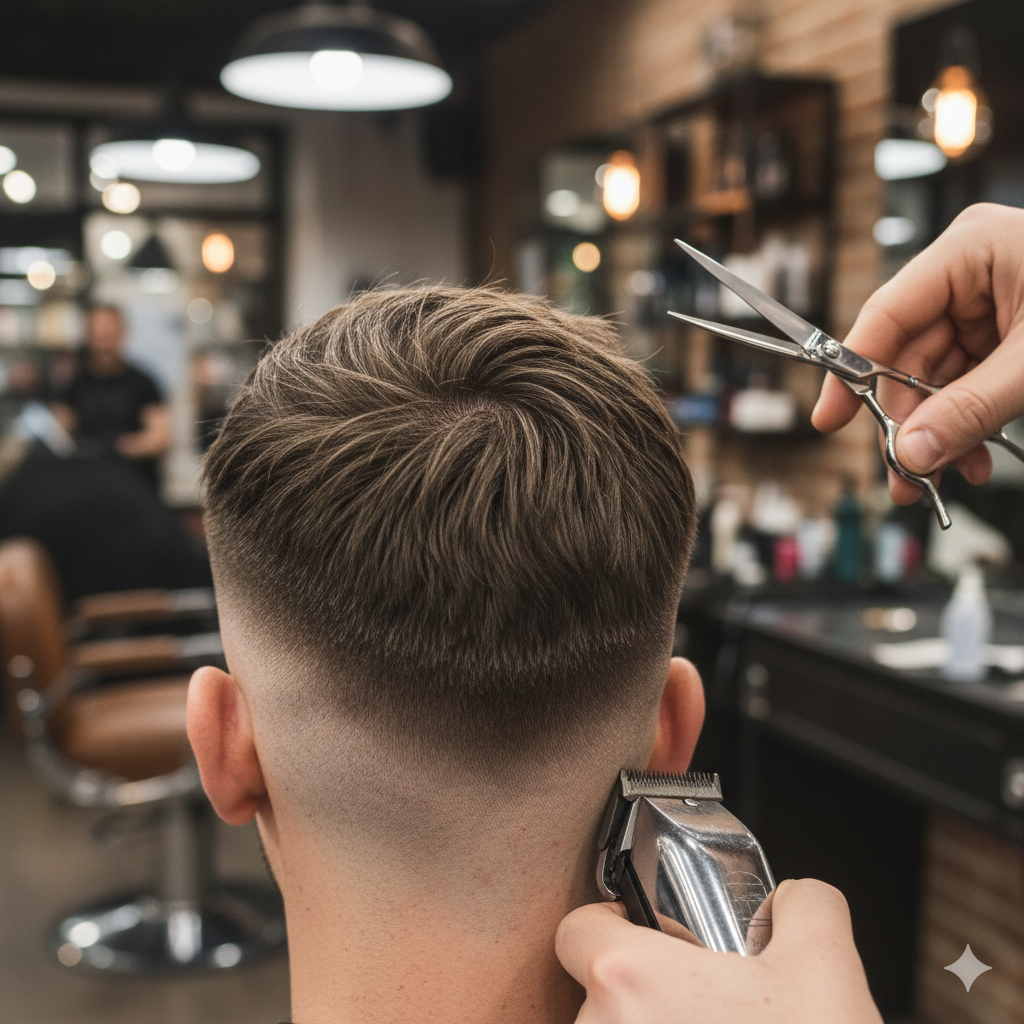
Textured Crop & French Crop by Fade Type
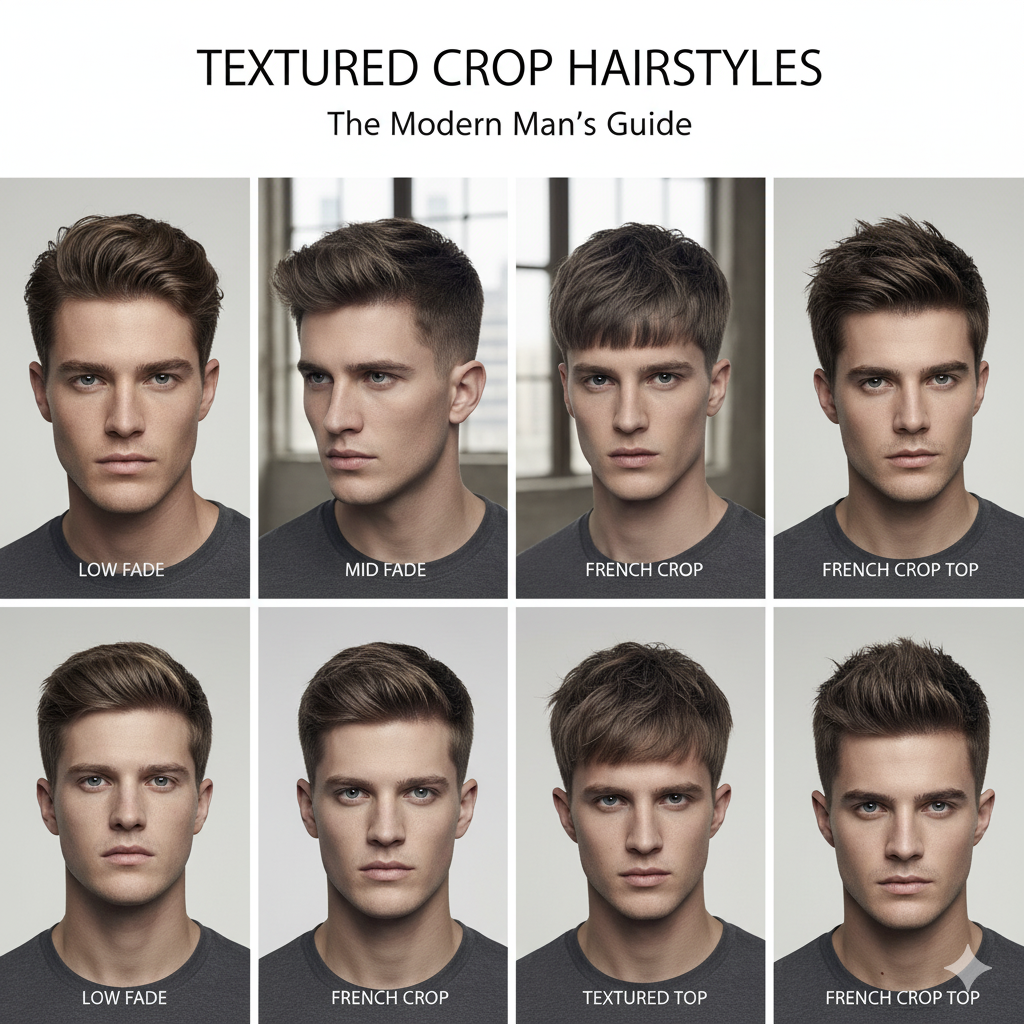
The fade you pair with the top completely changes how the haircut reads. Here’s how each one works.
Low Fade
The fade begins just above the ears, keeping most of the head at a longer length before blending down. This is the subtlest option — great for offices, conservative environments, or anyone easing into the style for the first time. It pairs especially well with a softer, wavy fringe rather than a blunt one.
Mid Fade
The fade starts around the temples, sitting right between the boldness of a high fade and the subtlety of a low fade. This is the most requested version because it works almost everywhere — sharp enough for a night out, tame enough for the office. A mid fade also does a nice job of framing the jawline, which is part of why it’s the default recommendation when someone isn’t sure which fade to choose.
High Fade
The fade starts above the temple, creating maximum contrast between the sides and the textured top. This version reads bolder and more fashion-forward — it’s the one to pick if you want the haircut to make a statement rather than blend in.
Skin (Bald) Fade
The sides blend all the way down to bare skin rather than stopping at a short length. This is the most dramatic contrast option and the one that requires the most upkeep — expect to be back in the chair every 2-3 weeks to keep the line sharp, since regrowth shows fastest here.
Taper Fade
A gentler transition that shortens the sides gradually without going down to skin. This is the safest, most universally flattering option and a good starting point if you’ve never had a crop cut before.
Burst Fade
The fade curves in an arc behind the ear rather than running in a straight line. It’s a more advanced, stylist-driven look often paired with a longer or curlier top, and it tends to suit thicker hair types that can support the extra visual detail.
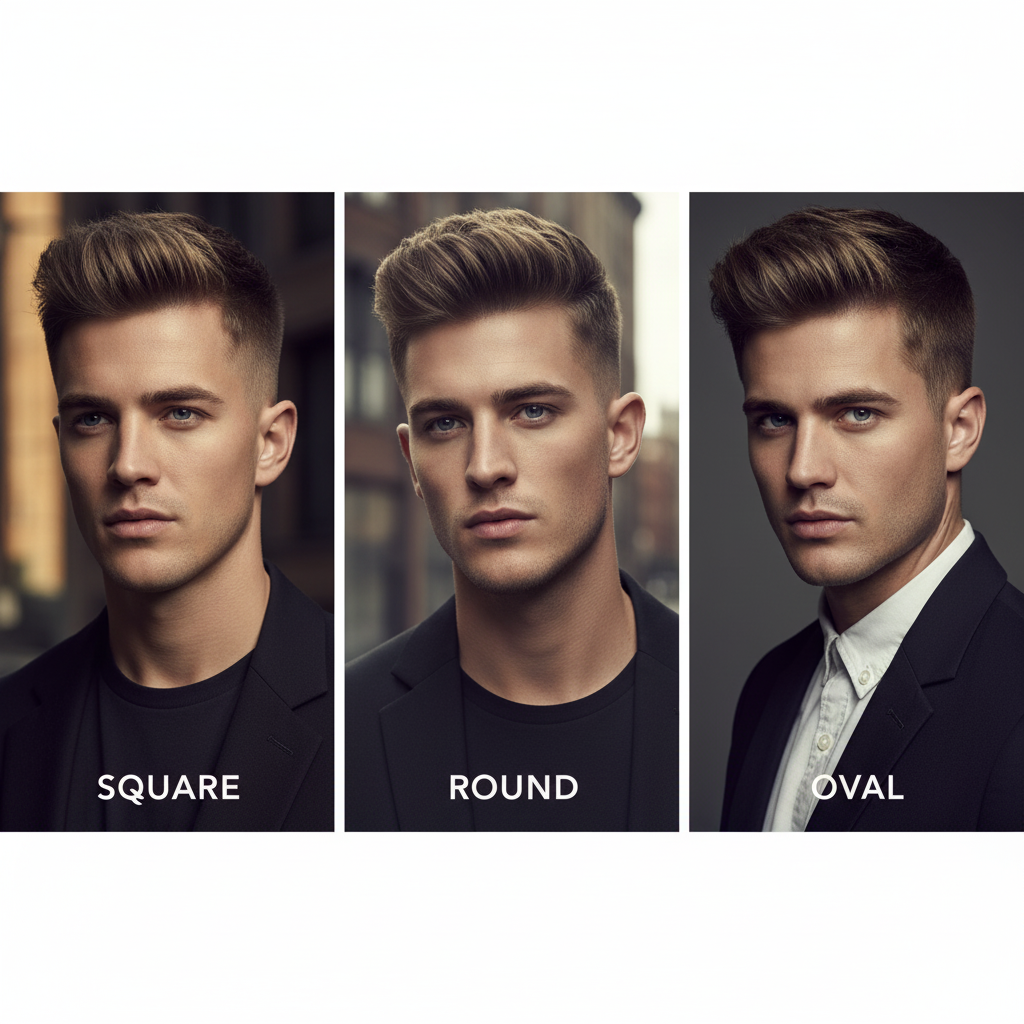
Choosing by Face Shape
- Round face — a high fade with more height and volume on top elongates the face. Avoid keeping too much width at the sides.
- Square face — a low or mid fade with a softer fringe complements a strong jawline without adding harsh extra angles.
- Oval face — the most flexible shape for this cut; nearly any fade height and fringe style will work.
- Long/oblong face — a low fade with more length kept on top helps balance proportions; avoid high fades that add extra height.
- Diamond face — a mid fade with some volume on top balances wider cheekbones nicely.
Choosing by Hair Type
- Straight hair — holds a blunt French crop fringe well and takes styling cream cleanly.
- Wavy hair — works beautifully with a slightly longer, tousled crop that lets the natural wave show rather than fighting it.
- Curly hair — ask your barber to cut with the curl pattern, not against it; a curl-defining cream keeps things controlled without flattening texture.
- Thick hair — benefits from a higher, tighter fade and more thinning with scissors on top to reduce bulk.
- Fine or thin hair — a low taper fade is the safest bet; taking the sides too short can make the top look even thinner by comparison. Choppy layers add the illusion of volume.
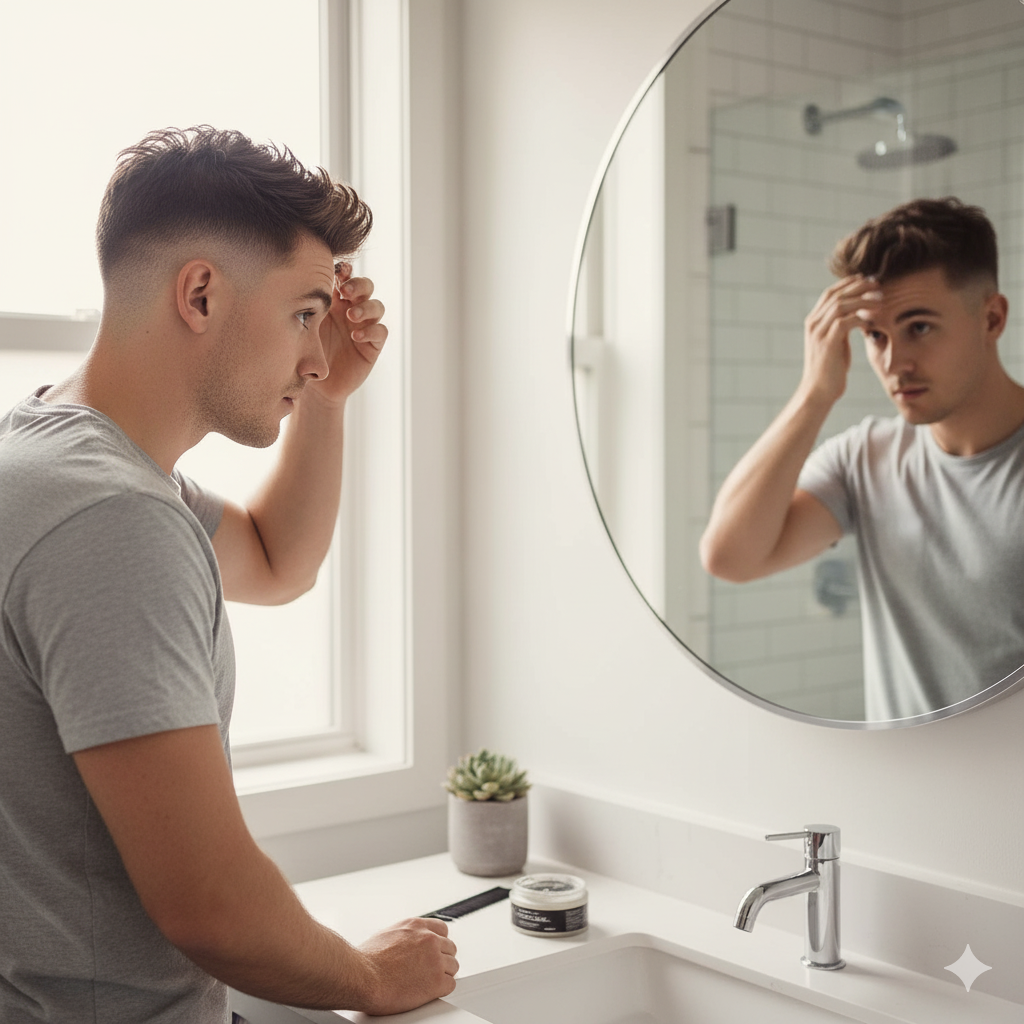
How to Style It
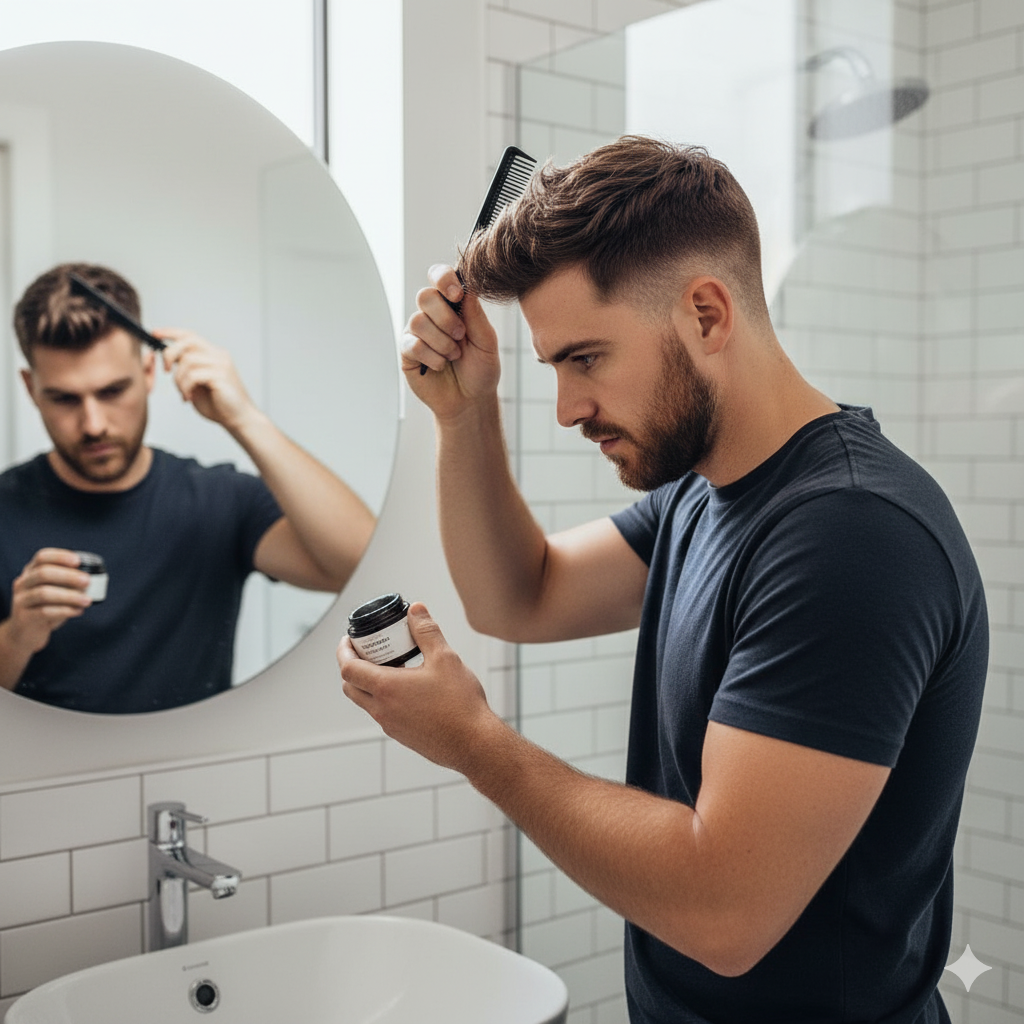
- Towel-dry hair until slightly damp — not soaking wet.
- Apply a small amount of matte clay or texturizing paste evenly through the top.
- Use your fingers (not a brush) to tousle and lift the strands — this is what creates the “lived-in” texture the cut is known for.
- Blow-dry on low heat, pushing the fringe forward or to the side, to lock the shape in.
- For a cleaner French crop finish, swap the clay for a lightweight styling cream and comb the fringe down rather than tousling it.
How Often to Trim & Maintenance
Fades grow out faster than the top does, so the fade line is what determines your trim schedule, not the length on top:
- Skin and high fades need a touch-up every 2-3 weeks to keep the contrast sharp.
- Mid and low fades can usually stretch to 3-4 weeks before the line starts to blur.
- Taper fades are the most forgiving and can go 4-5 weeks between visits since there’s no hard line to maintain.
Between visits, a small amount of edge control along the hairline keeps things looking freshly cut, and washing 2-3 times a week (rather than daily) helps preserve natural texture instead of stripping it out.
How to Ask Your Barber
Be specific about three things: fringe style, top length, and fade height/type. A clear example script:
“I want a French crop with a mid skin fade — keep the sides tight starting at the temple, and leave about an inch and a half on top with a blunt, forward fringe.”
Bringing a reference photo removes almost all ambiguity — fade height and fringe shape are hard to describe precisely in words alone.
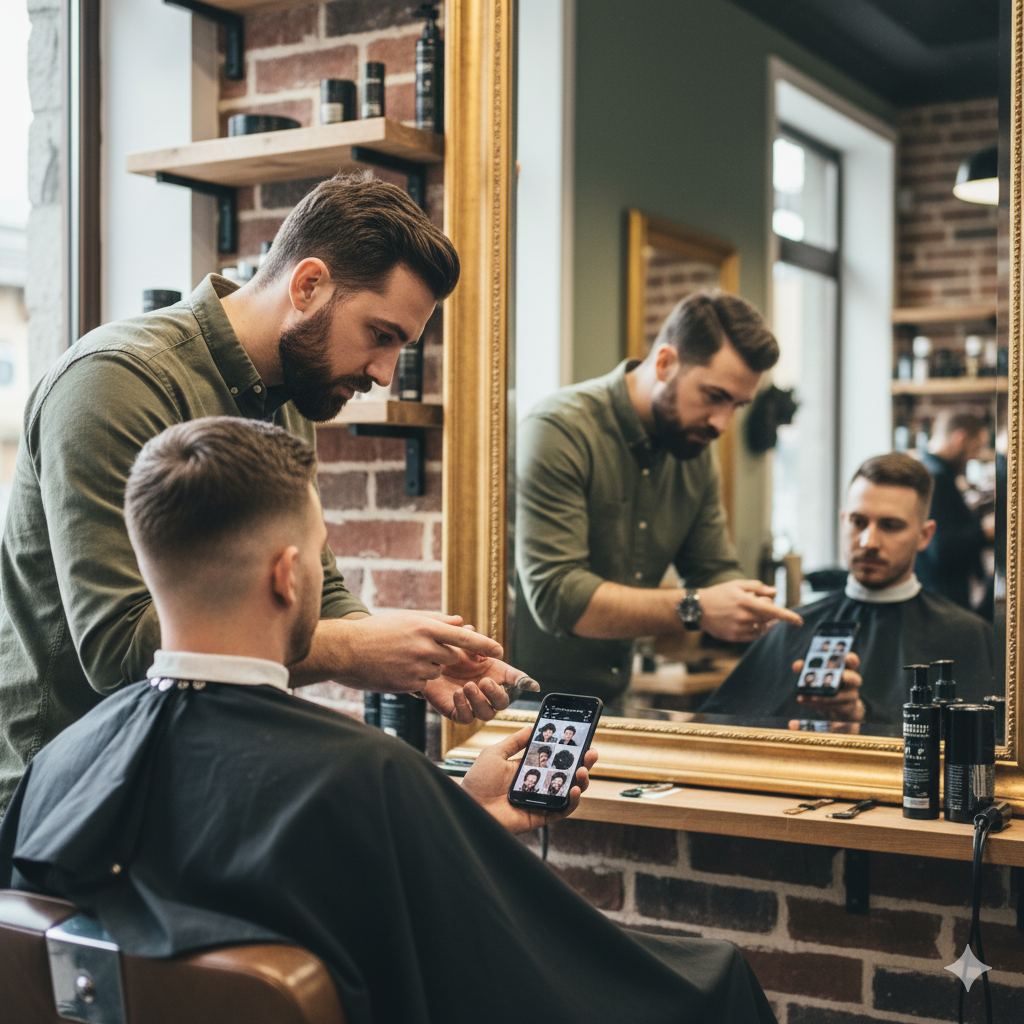
Maintenance & Upkeep: Keeping It Sharp
The textured crop is low-maintenance, but not no-maintenance. To keep that sharp, intentional look, follow these steps:
🧴 Daily Routine:
Use a matte paste or lightweight styling cream — avoid shiny gels.
Refresh texture in the morning with a bit of water or dry shampoo.
For extra hold, finish with a touch of sea salt spray.
💇 Weekly / Monthly Routine:
Schedule a touch-up fade every 3–4 weeks to maintain the clean sides.
Trim the top every 6–8 weeks to prevent heaviness and maintain texture definition.
Consistency keeps the crop’s short sides long top balance intact — especially important if you wear textured crop top mid fade or high fades undercut variations.
Who Should Try the Textured Crop?
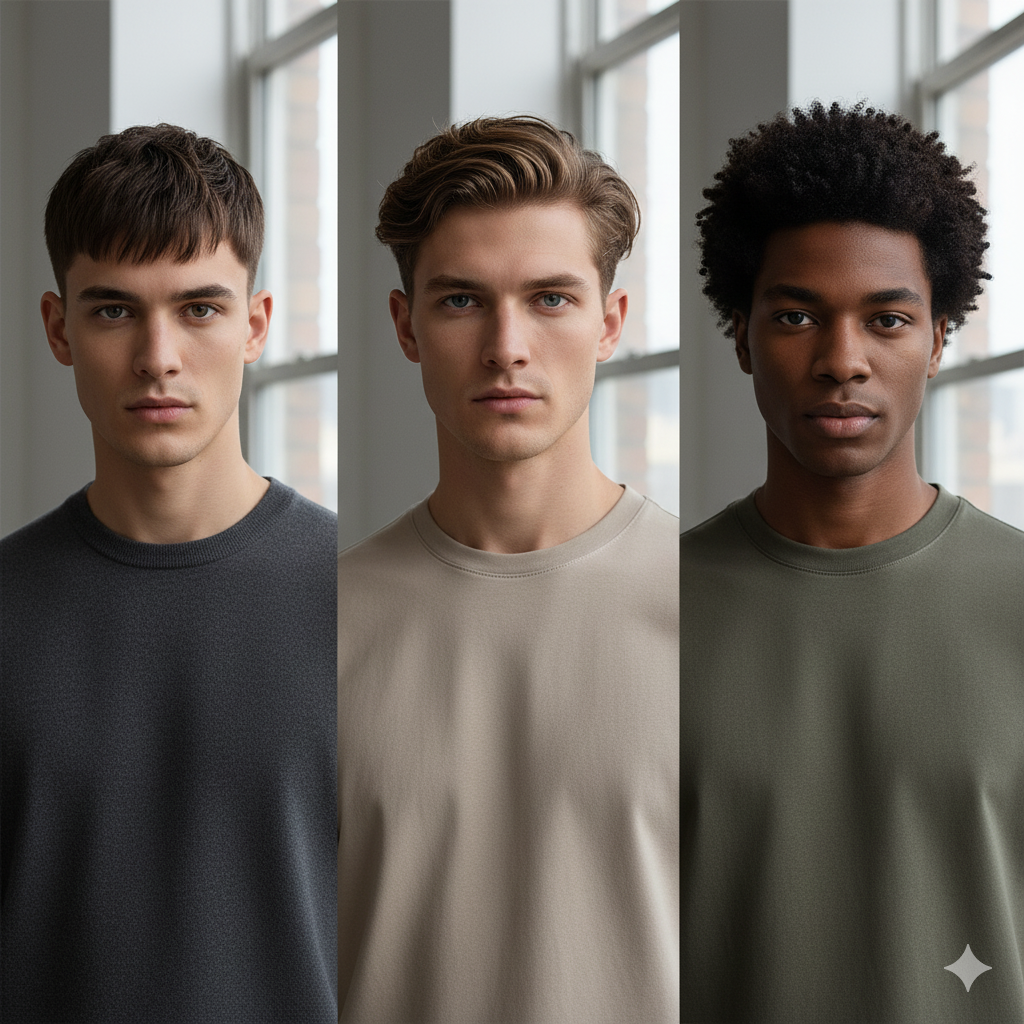
The textured crop haircut fits almost every guy — but it shines brightest for those who want an easy, stylish, and adaptable look.
✅ Try It If You:
Want low daily styling effort but high visual payoff.
Have straight, wavy, or curly hair — the texture adapts to all.
Prefer timeless yet trendy vibes.
Are in creative fields or want a confident, polished casual style.
The textured crop fade is also great for men dealing with thinning hair, as the textured layering disguises sparse areas and adds volume naturally.
Barber Insights: Modern Takes for 2025
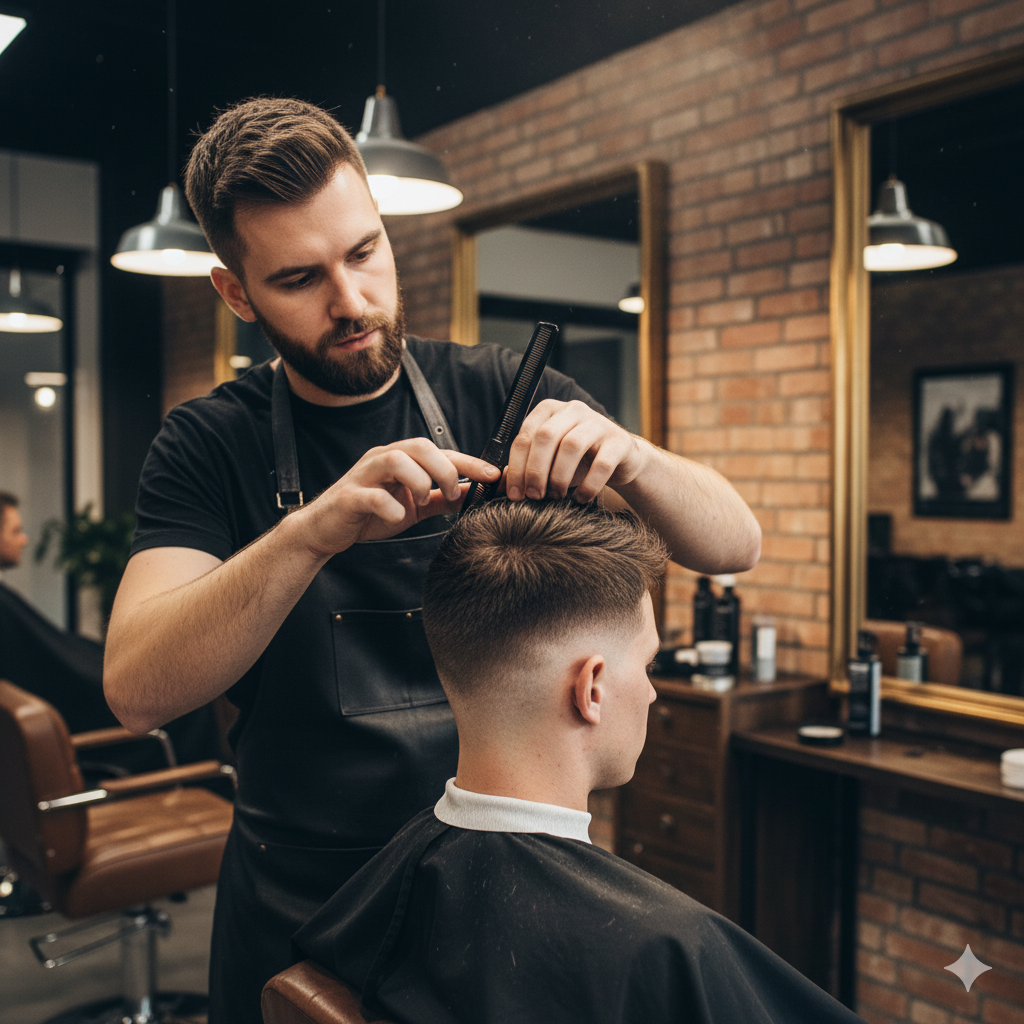
Barbers across the U.S. and Europe are reinventing the textured crop in 2025 — merging it with fades, fringes, and even mullet hybrids.
🔥 Trending Updates:
Textured Crop + Fade Combo: Combining low fades and mid fades for a fluid, layered effect.
Textured French Crop Top: A new twist where the fringe is brushed forward with micro-texture.
Disconnected Textured Crop: A more dramatic version, pairing sharp fade lines with unblended top length.
Textured Crop + Beard Blend: Fades seamlessly into a groomed beard for a rugged-modern look.
💬 Barber Quote (Editorial Style):
“The textured crop is the haircut that never looks overdone. It’s authentic, lived-in, and bold — exactly what 2025 style is about.” — Rico Martinez, Modern Gents Barbers NYC
Final Thoughts — The Future of Textured Crops
The textured crop haircut has earned its place among the greats — as versatile as the fade, as timeless as the pompadour, and as effortless as a buzz cut.
As 2025’s fashion-forward men seek hairstyles that combine form and function, the textured crop stands tall as a bridge between casual cool and polished professionalism.
Whether you’re rocking a textured crop top fade, french crop textured, or mid fade textured crop top, you’re embracing a look that’s clean, confident, and distinctly yours.
So next time you walk into your barbershop, remember — you’re not just getting a haircut.
You’re crafting an identity.
Frequently Asked Questions
What’s the difference between a French crop and a textured crop? French crop is a specific style within the textured crop family — it has a neater, often blunt fringe and a smoother top. “Textured crop” is the broader category that also includes messier, more choppy variations.
Which fade should a beginner choose? A low or mid taper fade. Both are subtle enough to ease into and don’t require frequent maintenance visits.
Does this haircut work with curly or coily hair? Yes — ask your barber to cut with your curl pattern rather than against it, and expect to use a curl cream rather than a clay-based product.
How much does it cost? Typically $25-$50 at a standard barbershop in the US, and $60-$100+ at an upscale or specialist barber.